Blue Floral Necktie Wrinkles: Care Guide 2026
Breadcrumb
Why does your blue floral necktie wrinkle so easily?
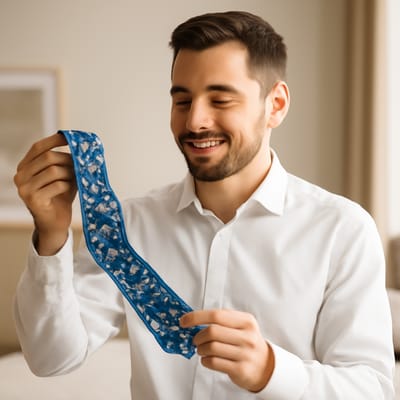
If you’ve ever pulled a blue floral necktie out of a drawer and found hard creases or a wavy blade, you’re not alone. Wrinkles usually come from three things: tight knots, pressure in storage, and the fabric’s natural behavior (especially with silk blends and textured weaves).
The most common wrinkle triggers
- Overtightened knots: Small, compact knots look sharp, but cranking them tight compresses the interlining and “sets” creases.
- Leaving the knot in: Storing a tie while still knotted is the fastest way to create permanent-looking lines.
- Improper hanging: Thin hooks and sharp hanger edges can create a crease exactly where you don’t want it.
- Heat + pressure: A tie crushed in a suitcase, then warmed by a car trunk or overhead bin, can lock in wrinkles.
Fabric matters (a lot)
- Silk: Shows wrinkles less than linen, but can develop shine or water marks if treated wrong.
- Wool/cotton: Can wrinkle more and sometimes needs a gentler, longer steam.
- Linen: Wrinkles are part of the look, but you can still reduce harsh creases for formal wear.
If your goal is to keep the floral pattern crisp (and the blue tones looking rich), the safest first move is almost always steam—not a hot iron.
Steam vs iron: what’s the safest way to remove tie wrinkles?
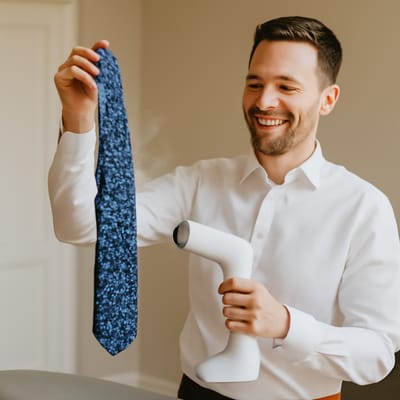
Choosing the wrong method can flatten texture, add shine, or even distort the shape of your blue floral necktie. Use this rule of thumb: steam first, iron only when necessary.
Steaming (recommended for most ties)
Steaming relaxes fibers without pressing them flat.
How to steam a tie at home:
- Hang the tie on a wide hanger or drape it over a towel bar.
- Use a garment steamer (or a steam setting on an iron held above the fabric).
- Keep the steamer 1–2 inches away; don’t soak it.
- Smooth gently with your hand from knot area down to the tip.
- Let it hang 15–30 minutes to fully dry and reset.
Ironing (only with a pressing cloth)
Ironing is for stubborn creases—done carefully.
Safe ironing setup:
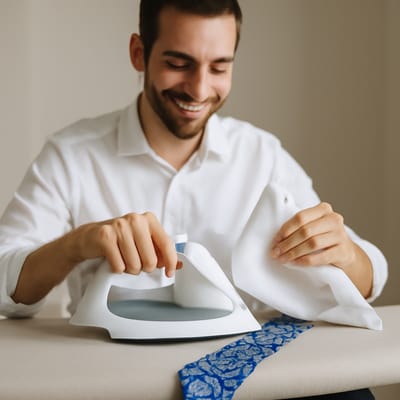
- Always use a pressing cloth (clean cotton handkerchief or pillowcase).
- Use low heat and no direct contact with silk.
- Press, don’t slide: sliding can stretch the tie on the bias and warp the blade.
Quick comparison
- Steaming: lower risk, preserves drape, ideal for silk and blends.
- Ironing: higher risk, best for deep creases, requires cloth + low heat.
If you’re unsure of the fabric, treat it like silk: steam lightly, avoid direct heat, and never “flatten” the tie like a dress shirt.
How do you fix stubborn creases without ruining the shape?
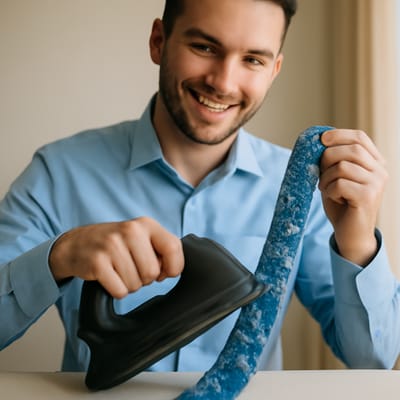
Some wrinkles aren’t just surface-level—they’re “memory creases” from tight knots or suitcase compression. The challenge is removing the crease while preserving the tie’s roll and dimension (the part that makes a blue floral necktie look premium).
Step-by-step: stubborn crease rescue
- Unknot and rest: After wearing, untie fully and let the tie rest flat for 30–60 minutes.
- Steam in passes: Do 2–3 light steaming passes instead of one heavy soak.
- Hand-shape the blade: Use your palm to encourage a natural roll; avoid pinching sharp edges.
- Hang with proper support: Use a wide hanger or a tie rack that doesn’t create pressure points.
- Re-check after drying: Many creases disappear only after the tie cools and dries.
What not to do (common mistakes)
- Don’t press directly with a hot iron—this can create shine and crush texture.
- Don’t use heavy starch or spray—it can spot darker blues and make florals look dull.
- Don’t clip it with a tight clothespin—clips leave dents.
When a crease keeps coming back
That often points to the interlining being compressed. Rotate how you knot it (Four-in-Hand vs a slightly larger knot) and avoid overtightening. A tie that’s styled well should drape cleanly without needing to be cinched hard at the collar.
How should you store blue floral neckties to prevent wrinkles?

Wrinkle prevention is cheaper than wrinkle removal—especially if you want your blue floral necktie to stay crisp for weddings, meetings, and photos.
Best storage options (ranked)
- Wide hanger or dedicated tie rack: Prevents fold lines and lets the tie relax.
- Rolled storage in a drawer: Roll loosely (like a soft coil), then place side-by-side to avoid pressure.
- Flat storage for delicate fabrics: Great for silk and lightweight ties if you have space.
Travel strategy: arrive wrinkle-free
- Roll, don’t fold: Roll from the tip upward and place it in a side pocket where it won’t be crushed.
- Use a tie case if you travel often: it protects the blade edges and helps maintain shape.
- Hotel steam hack: Hang the tie in the bathroom during a hot shower for 10 minutes, then let it dry fully.
Best For: Wedding & event planners
Keep a small “style kit” on-site: a compact steamer, a white pressing cloth, and a spare blue floral tie in a protective case. It’s a simple way to handle last-minute outfit emergencies without risking heat damage.
Best For: Gift buyers and gift shoppers
If you’re gifting, include a quick care card: “Untie after wearing, hang to rest, steam to de-wrinkle.” It prevents the #1 issue recipients run into: storing the tie knotted or folded too tightly.
Small habits—untie, rest, hang—do more for longevity than aggressive ironing ever will.
Wrinkles, fabric, and buying choices: what to look for before you checkout
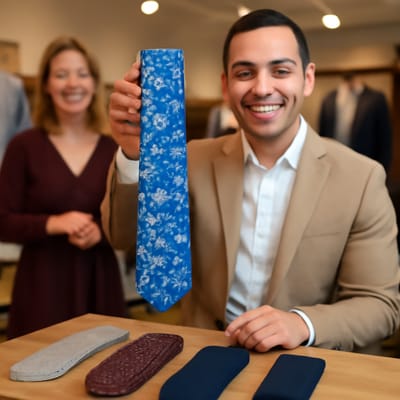
If you’re shopping (or recommending options) and hate dealing with wrinkles, your best “care hack” is choosing a tie that naturally resists creasing.
Fabric and construction cues that wrinkle less
- Heavier silk or silk blends: Often drape better and bounce back faster.
- Quality interlining: Helps the tie recover after knotting; flimsy interlining tends to hold creases.
- Textured weaves: Some texture can disguise micro-wrinkles and keep the floral motif looking sharp.
Practical questions to ask yourself
- Will this blue floral necktie be worn all day (and re-knotted often)?
- Will it be packed for travel or stored for long periods?
- Do you want a crisp, formal look (wrinkle-free), or a softer, relaxed look?
Best For: Menswear enthusiasts
If you care about shape, look for ties that hold a clean roll along the blade rather than lying perfectly flat. That roll helps the tie look dimensional in photos and tends to hide minor wrinkles better than an overly flat construction.
Smart next step (lead magnet fit)
If you’re building outfits around blue florals, a simple color-coordination checklist (shirt blues, suit grays, pocket square do’s/don’ts) saves time and prevents mismatch purchases—especially when you’re buying online.
Ultimately, wrinkle management is part care and part selection: choose a well-constructed tie, store it correctly, and you’ll steam far less often.
Frequently Asked Questions
Can I iron a blue floral necktie directly?
It’s risky, especially for silk. Use a pressing cloth and low heat, and press (don’t slide) to avoid shine and shape distortion.
How do I get wrinkles out of a tie fast before a wedding?
Light steaming is the safest quick fix. If you don’t have a steamer, hang the tie in a steamy bathroom, then let it dry fully before wearing.
What’s the best way for wedding and event planners to handle last-minute tie creases?
Keep a compact steamer and a white pressing cloth in your on-site kit. Steam in light passes and let the tie hang a few minutes to set before photos.
I’m buying a tie as a gift—how do I help the recipient avoid wrinkles?
Include a simple note: untie after wearing, hang to rest, and steam to remove wrinkles. Most “ruined” ties are just stored knotted or folded too tightly.
Do blue floral neckties wrinkle more than solid ties?
Not necessarily, but patterns can make creases more noticeable if the fabric gets shiny or the blade warps. Good steaming and proper storage keep the pattern looking crisp.
How can menswear enthusiasts keep the tie’s roll while removing wrinkles?
Steam rather than iron whenever possible, and reshape the blade gently with your palm while it’s warm. Avoid heavy pressing that flattens the tie’s natural dimension.
What’s the best travel method for gift shoppers carrying a tie?
Roll the tie loosely and place it where it won’t be crushed, or use a tie case. Unroll and hang it as soon as you arrive to let wrinkles relax.
When should I take a tie to a professional cleaner?
If you see water spots, heavy set-in creases that won’t release with steam, or any staining near the knot area, a professional cleaner is the safer option—especially for silk.