Types of Necktie: UK Guide to Styles and Fit

Breadcrumb
What are the main types of necktie UK shoppers should know?
The main types of necktie differ in width, fabric, finish, and overall styling purpose. Some are designed to look sharp in business settings, while others feel better suited to formalwear, creative styling, or gifting. If you are building a wardrobe around versatile pieces, it helps to start with the classic necktie and then understand how details like texture, proportion, and colour affect where it works best.
For many UK shoppers, the most practical approach is to think in terms of use rather than trend. A tie for office wear needs different qualities from one chosen for event dressing. A gift tie should usually be easy to coordinate. An event planner may need several ties that look consistent under bright lighting and in photographs. Colour-based buyers often start with shade first, especially when choosing black, navy, or burgundy, but finish and fabric still shape the final impression.
At category level, the most important tie variations include:
- Slim ties for a sharper, more fashion-led look
- Medium-width ties for all-round versatility
- Wide ties for stronger tailoring and classic proportions
- Matte ties for daytime and office styling
- Silk or satin-finish ties for formal settings
Once you understand those foundations, it becomes much easier to compare options, shop with confidence, and build outfits that feel intentional instead of improvised.
How do width, size, and proportion change the look of a tie?
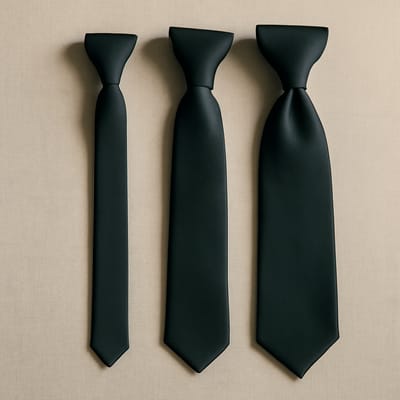
Width is one of the first things people notice, even if they do not realise it immediately. A tie that suits the collar, lapels, and neckline tends to look natural. One that is out of proportion can make the entire outfit feel slightly off. That is why necktie width matters just as much as colour or fabric.
As a simple guide, slim ties feel more modern and directional, while medium widths tend to be the safest option for mixed wardrobes. Wide ties suit stronger tailoring and a more traditional visual balance. For women wearing ties with shirts, blazers, waistcoats, or dress-and-jacket combinations, proportion becomes especially visible because the tie often sits at the centre of the outfit.
A few useful rules help:
- Match tie width to lapel scale when wearing tailoring
- Use medium widths when you want the broadest versatility
- Avoid extremes unless the outfit clearly supports them
- Consider neckline shape as well as jacket structure
This matters for practical shopping too. A non-brand neckwear shopper looking for one dependable tie will often get better value from a balanced width than from a very trend-led shape. Event planners usually benefit from choosing one consistent width across multiple outfits, especially when visual uniformity matters. More detailed recommendations on widths for black neckties and different necklines can refine the choice later, but proportion is the foundation.
Which necktie fabrics work best for office wear and formal events?
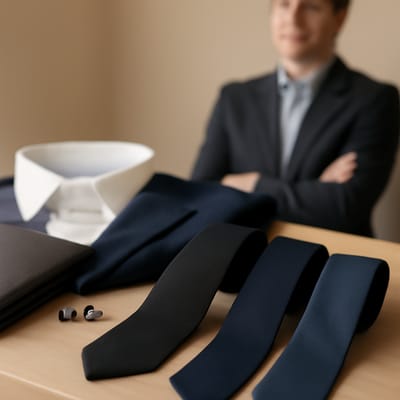
Fabric tells you a great deal about when and where a tie will work. A matte woven tie usually feels grounded, professional, and suitable for daytime wear. Silk and satin-finish ties tend to look more formal because they catch the light, create a smoother drape, and pair naturally with evening tailoring. Even when two ties share the same colour, the fabric can make them feel completely different.
Common fabric choices include:
- Polyester or microfibre: durable, easy to maintain, and often a sensible everyday choice
- Silk: elegant drape and a dressier look for formal occasions
- Satin finish: smooth and polished, best used when you want more visual impact
- Textured weave: subtle character without obvious shine
For office wear, lower-sheen fabrics are usually easier to style. They sit well with blazers, cotton shirts, and tailored separates without feeling overdone. For formal events, silk often earns its place because the finish is cleaner and the tie tends to knot more elegantly.
Colour-based buyers should pay special attention here. Black in a matte weave looks very different from black in silk under indoor lighting. That is also why comparisons such as black silk versus matte black neckties, fabric choices, and occasions can be so helpful when deciding between a work staple and a dressier option for evening events.
How should you style ties with colour, pattern, and different outfits?
The easiest way to style ties well is to let them support the outfit rather than dominate it. Solid neckties are often the most useful starting point because they work across patterned shirts, plain tailoring, and smart separates. Dark shades such as black, navy, charcoal, and burgundy are usually the most adaptable, especially if you want a tie that can move between work and more formal occasions.
Patterns can add interest, but restraint usually looks more polished. A micro-pattern, subtle stripe, or textured weave offers visual depth without making the tie difficult to pair. This is useful for women shoppers who want neckwear to feel considered and modern rather than costume-like.
A few reliable styling principles make things easier:
- Pair plain ties with busier shirts for balance
- Use subtle patterned ties when the shirt and blazer are simple
- Match richer textures to evening outfits and cleaner finishes to office looks
- Keep the palette focused when the tie is the central accessory
This is particularly relevant when styling ties with blazers and dresses. In those outfits, proportion and fabric finish matter just as much as colour. Event planners often need ties that coordinate across several wearers, while gift buyers usually do better with simpler, more versatile combinations. If black is the starting point, how to choose the right black necktie for formal and office outfits is a topic that deserves extra attention on its own.
What should you look for when buying a necktie in the UK?
Buying well starts with clarity about how the tie will be worn. If you want a tie for office use, choose something balanced, low-sheen, and easy to coordinate. If you are shopping for formal events, a smoother and slightly dressier finish may be worth the extra cost. For gifts, versatility almost always matters more than trend.
Before buying, check these details:
- Width and proportion: should suit collars, lapels, and outfit shape
- Fabric finish: matte for regular wear, silkier for formal use
- Construction: neat stitching, straight edges, and a tie that hangs cleanly
- Colour consistency: especially important for black and other deep tones
- Care needs: useful if the tie will be worn often or packed for travel
Non-brand neckwear shoppers do not need to compromise if they focus on these fundamentals. A well-made affordable tie can offer excellent value for daily wear, gifting, or occasional formal use. For event planners, buying multiple ties with matching tone and finish is often more important than choosing the most luxurious fabric.
Care also matters after purchase. Untying the knot gently, storing the tie flat or hung properly, and keeping stains from setting can make a noticeable difference over time. That is why care and maintenance tips for black neckties fit naturally into the overall buying decision, not just the aftercare stage.
How can one tie work across office wear, gifting, and events?
A single tie can cover a lot of ground if you choose it carefully. The most adaptable option is usually a medium-width tie in a versatile dark shade with a low-sheen finish. That combination works well for office dressing, many formal situations, and gift giving because it looks polished without feeling overly specific.
In practical terms, one flexible tie should:
- Coordinate easily with shirts and blazers you already own
- Feel appropriate in daylight and under event lighting
- Hold a neat knot without looking bulky
- Stay neutral enough to wear repeatedly
For women building a modern wardrobe, this kind of tie can become a useful anchor piece. It adds structure to a shirt, sharpens a blazer look, and can even bring more intention to a dress-and-jacket outfit when the styling is balanced. Colour-led shoppers should still check how the shade reads in different settings, especially with black. Event planners may prioritise consistency and photo-friendliness. Gift buyers usually benefit from choosing something understated and easy to style.
Once you understand how width, fabric, colour, and dress code work together, the category becomes much easier to navigate. Instead of buying by guesswork, you can choose a tie that genuinely fits the way it will be worn.
Frequently asked questions about types of necktie
What is the most versatile type of necktie?
A medium-width classic necktie is usually the most versatile option. It works well for office wear, gifting, and many formal settings without looking too narrow or too traditional.
Which tie fabric is best for everyday workwear?
Matte polyester, microfibre, or other woven low-sheen fabrics are often best for regular workwear. They are durable, easy to maintain, and tend to suit daytime office outfits better than very glossy finishes.
How can colour-based buyers choose the right black tie?
Check the tie in natural and indoor light if possible before buying. Some black ties look jet black, while others appear charcoal or blue-black depending on the fabric and weave.
Are non-brand neckties a good option?
Yes, they can offer strong value if the construction, drape, and finish are good. Many non-brand ties are practical choices for everyday wear, gifts, and occasional events.
What should event planners prioritise when choosing multiple ties?
Consistency should come first. Matching width, colour tone, and fabric finish will usually matter more than picking the most expensive option.
Is a slim tie better than a medium-width tie?
Not always. Slim ties can look stylish, but medium-width ties are easier to wear across more outfits and dress codes.
Can ties work well with women's blazers and dresses?
Yes, especially when the proportions are balanced and the fabric suits the outfit. A clean shirt-and-blazer combination is the easiest starting point, but a dress-and-jacket look can work too.
Should I buy one versatile tie or separate ties for office and formalwear?
One versatile tie is often enough if it has a balanced width and restrained finish. If you attend formal events regularly, adding a second silkier tie gives you more flexibility.