Black Silk vs Matte Black Neckties: Guide 2026
Breadcrumb
What makes black silk and matte black neckties feel so different?
A black necktie can look polished, sharp, or quietly understated depending on its fabric finish. That is why the choice between black silk and matte black neckties matters more than many shoppers expect. Even when the color is identical, the surface changes how the tie catches light, how formal it feels, and how easily it blends into an outfit.
Black silk usually has a smoother hand and a subtle sheen. Under evening lighting, it reflects light in a way that feels dressier and more traditional. Matte black ties, by contrast, absorb more light and create a flatter, softer visual effect. They often feel more modern, restrained, and adaptable for daytime wear.
For women building workwear, occasionwear, or gifting wardrobes, this distinction helps avoid a common mistake: choosing a tie that looks too glossy for the office or too muted for a formal setting. Fabric finish also affects how a tie works with blazers, dresses, shirts, and different neckline shapes. If you want a broader starting point, how to choose the right black necktie for formal and office outfits gives useful context before you narrow your choice by fabric.
In practice, silk tends to suit elevated dress codes, while matte finishes often excel in professional settings, creative styling, and lower-maintenance everyday wear. The right pick depends on lighting, outfit texture, and the message you want your look to send.
When should you choose black silk over a matte black tie?
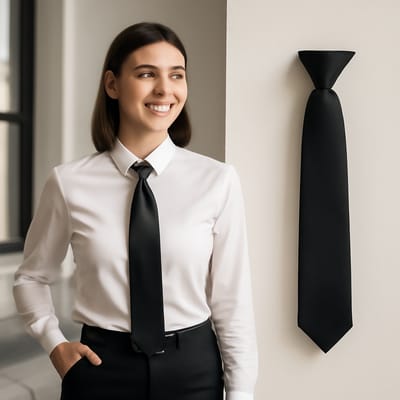
Choose black silk when the outfit needs formality, depth, and a cleaner dressed-up finish. Silk works especially well for evening events, ceremonies, upscale dinners, formal hospitality settings, and outfits built around tailored jackets or refined dresses. The slight shine gives black a richer look, which helps the tie stand out without adding color.
This finish is often the better choice when the surrounding fabrics are also refined, such as smooth wool suiting, satin-trim details, or crisp dress shirts. Event planners selecting accessories for coordinated dress codes often prefer silk because it reads clearly as formal in photos and in low evening light. For gift buyers, it also tends to feel more luxurious straight out of the box.
That said, silk is not automatically the best option for every formal look. A very glossy tie can feel too stark under bright office lighting or against heavily textured garments. If your outfit already includes shine, the overall effect may become too sharp. In those cases, a matte tie can create better balance.
Color-based buyers often notice another difference: silk black can appear deeper and more dimensional, while matte black can lean softer or slightly charcoal depending on the weave. Width matters too, because sheen becomes more noticeable on broader blades. If proportion is part of your decision, width recommendations for black neckties to flatter different necklines helps match fabric choice to silhouette.
As a rule, silk is the stronger choice when you want the tie to signal occasion, polish, and intention at a glance.
Why do matte black neckties work so well for office outfits?
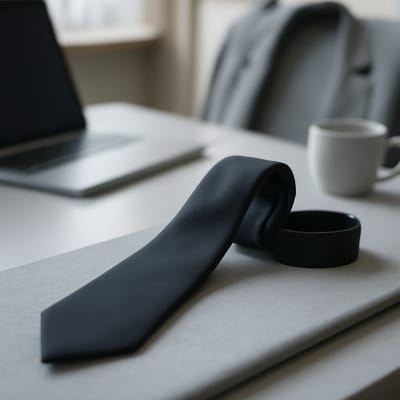
A matte black tie earns its place in office wardrobes because it looks controlled rather than flashy. In professional environments, that matters. Matte finishes soften the contrast of a black necktie against white, blue, or striped shirts, which makes the outfit feel more approachable and easier to wear from morning meetings to after-work plans.
This is often the safer option for women who want structure in their outfit without leaning too formal. A matte tie pairs naturally with textured blazers, knitwear, cotton shirting, and relaxed suiting. It can also work better in creative offices where polished style still needs a touch of ease. Non-brand neckwear shoppers often prefer matte options because they deliver versatility without relying on any label recognition. The appeal comes from the finish itself, not a logo or prestige cue.
Matte ties are also practical. They tend to show less glare in daylight, integrate better with casual tailoring, and can feel less intimidating for first-time tie wearers. For office gifting or team styling, that broad wearability is useful because the tie can move across different wardrobes more easily.
If you are comparing finishes from a buying point of view, black silk vs matte black neckties: fabric choices and occasions becomes most helpful when you evaluate the whole outfit, not the tie in isolation. Think about shirt texture, jacket structure, and whether you want your accessories to lead the look or quietly support it.
For most daytime professional use, matte black is the easier, more flexible choice.
How do fabric, weave, and outfit texture change the final look?
Finish is only part of the story. The weave and surrounding materials shape how a black tie behaves in real outfits. A silk tie with a smooth weave looks sleek and formal, while a matte black tie in a textured weave can feel more grounded and contemporary. That difference becomes obvious when you place the tie next to wool, cotton, crepe, satin, or twill.
A simple way to choose is to match the tie’s visual weight to the outfit:
- Smooth silk + crisp shirting creates a formal, sharp profile.
- Matte weave + textured blazer gives a balanced office look.
- Silk + evening fabrics works well for events and dress codes.
- Matte + soft tailoring suits modern daytime styling.
- Subtle texture mixing adds depth without making black look flat.
Women styling ties with dresses or blazers should pay attention to contrast. A glossy silk tie against matte suiting can look intentional and elegant. A matte tie against heavily textured clothing can feel cohesive and understated. Event planners coordinating multiple outfits may find matte finishes easier across mixed fabrics, while silk creates stronger visual consistency for more formal group styling.
This is also where future care needs come into play. Some finishes are more forgiving in regular rotation, while others reward careful handling. Fabric longevity matters if you plan to wear one tie often or buy as a practical gift. A deeper discussion of pairing black ties with blazers and dresses, along with care and maintenance tips for black neckties, can help refine your choice once you know which finish fits your wardrobe habits.
The smartest choice is the one that matches not just the occasion, but the texture story of the whole outfit.
How can you choose the right black necktie for the occasion?
The easiest way to choose between black silk and matte black neckties is to start with the occasion, then work backward to the outfit. A quick decision framework can save you from buying a tie that looks beautiful on its own but awkward once worn.
Use black silk when:
- the dress code is formal or evening-focused
- you want a more luxurious, elevated finish
- the outfit includes sharp tailoring or dressier fabrics
- the tie is meant as a gift with a premium feel
Use matte black when:
- the setting is office-friendly or smart daytime
- you need a versatile tie for repeat wear
- the outfit includes texture, softer tailoring, or knit layers
- you want understated style from a non-brand option
Price can also influence the decision. Silk usually costs more, but it often delivers stronger occasion value. Matte ties are frequently more accessible and may offer better cost-per-wear for shoppers building a practical wardrobe. For affiliate-led product browsing, this is the stage where comparing finish, fabric blend, width, and construction makes the most sense.
If you are still between two options, return to the role the tie needs to play. Should it be the refined focal point, or should it quietly complete the look? That question often gives you the answer faster than any product label. For a broader buying framework, how to choose the right black necktie for formal and office outfits connects finish choice with fit, styling, and shopping priorities.
A good black tie is not just black. Its finish tells people where the outfit belongs.
Frequently asked questions about black necktie fabrics
Is a black silk necktie too formal for everyday office wear?
Not always, but it can feel slightly overdressed in conservative daytime offices if the silk has a pronounced shine. A low-sheen silk can still work well with tailored separates and crisp shirts.
Are matte black neckties better for non-brand neckwear shoppers?
They often are, because the appeal comes from versatility and finish rather than label recognition. A matte black tie can slot into many outfits and usually feels easier to wear regularly.
Which black necktie photographs better for events?
Black silk usually reads as more formal and defined in evening photos, especially under low or warm lighting. Matte black can photograph more subtly and may look softer in bright daytime settings.
How do color-based buyers tell true black from softer black finishes?
Look at the tie in natural light and under indoor lighting. Silk often appears deeper and richer, while matte weaves may read as softer black or slightly charcoal depending on texture.
Is a matte black tie suitable for formal events?
Yes, in many cases, especially for modern or less rigid dress codes. For the most traditional formal settings, silk usually looks more appropriate and elevated.
What is the best black necktie fabric for gifting?
Silk is often the safer premium gift because it feels luxurious and occasion-ready. Matte options are better when you know the recipient prefers practical office styling and repeat wear.
Should event planners choose one finish for a whole group?
If the event is formal and visually coordinated, silk creates a cleaner unified effect. For mixed venues, daytime schedules, or varied outfits, matte black is often easier to style consistently.
Does necktie width matter when comparing silk and matte finishes?
Yes. Wider ties make sheen and texture more noticeable, while narrower ties can make the finish feel subtler. That is why width and fabric should be chosen together, not separately.