Neckties: Complete Style, Color & Buying Guide 2026

Breadcrumb
Neckties 101: what makes a tie look sharp (not sloppy)
A necktie is a small piece of fabric with a big job: it frames your face, pulls an outfit together, and signals formality. The problem is that ties also amplify mistakes—bad length, the wrong finish, or clashing colors show immediately.
The four fundamentals (get these right first)
- Proportion: tie width should look balanced with your lapels and collar.
- Length: the tip should land around mid-belt buckle.
- Knot: choose a knot that fits your collar opening (simple knots usually look best).
- Fabric/finish: matte and textured ties are versatile; very glossy ties can look harsh in photos.
When neckties matter most
Neckties have the biggest impact at:
- Weddings and ceremonies
- Interviews and formal business settings
- Events where you’ll be photographed (flash highlights can change how a tie reads)
If you’re building a wardrobe or buying for an upcoming event, you’ll save time (and money) by learning the basics once—then reusing a few reliable formulas.
Styles and formality: how to choose the right tie for the occasion
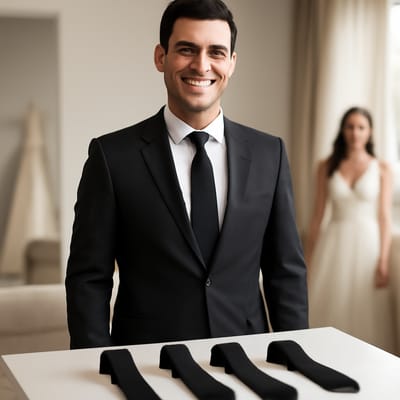
Not every tie works for every setting. The easiest way to choose is to match formality first, then pick color.
Common tie styles (and what they communicate)
- Classic necktie: the default for business and events.
- Skinny vs standard width: skinny reads trend-forward; standard looks timeless and works with most suits.
- Textured ties (subtle weaves, knits): feel more relaxed and modern, great for smart-casual.
- Smooth silk ties: more formal, especially for evening wear.
A simple formality ladder
- Very formal (evening, black suit, ceremonies): smooth or subtly textured dark ties; controlled sheen.
- Business: mid-tone colors, small patterns, or textured solids.
- Smart-casual: knit ties, matte textures, softer contrasts.
Accessories that change the vibe
A pocket square, tie bar, and cufflinks can elevate an outfit quickly—but they can also make it feel overdone if they’re too shiny or mismatched. Keep metals consistent (often silver-toned is easiest) and prioritise restraint.
Best For Men’s Formalwear Enthusiasts
If you care about “correctness,” focus on clean proportions and subtle finishes. A well-sized knot and precise length often matter more than any pattern.
Color and coordination: the fastest way to look well-dressed

Tie color is where most people either level up instantly—or get stuck. The good news: coordination is mostly rules of contrast and undertones.
The core matching rules
- High contrast = sharper and more formal (dark tie, light shirt).
- Lower contrast = softer and more modern (tie close to shirt tone).
- Match undertones: cool suits (navy, charcoal) like cool colors; warm suits (brown, olive) like warm colors.
The easiest “starter” color set
If you want maximum coverage with minimum effort:
- Deep navy
- Burgundy/wine
- A dark neutral (including black, if you wear evening formal often)
- One seasonal texture (matte weave or knit)
Where to go deeper
For a focused, practical breakdown of how different necktie colors work with suits and shirts, start with our category hub: Necktie Colors. It’s the quickest way to avoid clashing combinations and buy ties you’ll actually wear.
Best For Men’s Fashion Enthusiasts
If you want personality without loud patterns, choose a distinctive color in a muted tone (forest green, deep plum) and keep the shirt and suit simple.
Fabric, texture, and accessories: what looks premium (and what doesn’t)
Two ties can be the same color and still look wildly different. That’s usually fabric and construction.
Fabric choices in plain English
- Silk: classic drape and formality; be careful with high gloss if you’ll be photographed.
- Textured silk: adds depth and looks expensive without shouting.
- Microfiber: can be excellent value; avoid plastic shine.
- Wool blends: naturally matte and great for colder months.
Construction details that justify the price
When you’re comparing ties online, look for:
- Straight edges and clean stitching
- A lining that helps the knot hold shape
- A finish (matte/texture) that suits your event
Accessories that pair well with most ties
- White pocket square: the safest upgrade for formal looks.
- Silver-toned tie bar: works with most color palettes when correctly sized.
Best For Occasion Wear Retailers
If you’re advising customers, offer options by “finish” (matte/texture vs smooth formal) rather than only by color. It’s a clearer decision point and reduces returns.
Buying neckties: a practical checklist for getting it right online
Buying ties online is convenient, but it’s also where people end up with the wrong width, the wrong finish, or a color that looks different in real life.
A simple buying checklist
- Choose width first: match your lapels; most modern suits suit a standard width.
- Pick finish for the occasion: matte/texture is versatile; smooth silk is more formal.
- Confirm length and adjustability: especially important if you’re tall or short.
- Check return policy: screen colors can mislead.
- Buy for re-wear: pick colors you can repeat beyond one event.
For weddings and groups
If you’re buying for multiple people, order one tie first as a sample, then match the rest to avoid dye-lot differences.
Best For Wedding Planners
Standardise the look by specifying the tie’s color family (e.g., deep navy vs black), the finish (matte/texture), and the metal tone (silver). Those three details keep group photos consistent.
Email capture idea
A “Tie Fit & Matching Checklist” (width, length, knot, finish, suit/shirt pairing) is the kind of one-page guide people actually save—and use before every event.
Frequently Asked Questions
What is the most versatile necktie for a man to own?
A deep navy tie is usually the most versatile because it works for business and events across seasons. Burgundy is a close second, and a dark neutral can be helpful for more formal evenings.
How should a necktie fit (length and width)?
The tie tip should land around mid-belt buckle. For width, aim for a proportion that matches your lapels and collar—standard widths are the safest choice for most suits.
Wedding planners: how do I choose ties that look consistent in photos?
Pick one color family and specify the finish (matte or textured) to control shine. Ordering a single sample first helps avoid mismatched shades across multiple ties.
Occasion wear retailers: what tie options should I prioritise for most customers?
Stock the most wearable colors (navy, burgundy, dark neutrals) in two finishes: a versatile matte/texture and a smoother formal option. Customers often need both depending on the event.
Men’s fashion enthusiasts: how can I wear ties creatively without looking flashy?
Use texture and deeper tones instead of loud patterns. Keep either the shirt or suit simple so the tie reads as intentional, not chaotic.
Men’s formalwear enthusiasts: what makes a tie look “correct” for formal events?
Controlled sheen, clean construction, and precise proportions matter most. Choose classic colors, avoid novelty finishes, and keep accessories understated and consistent.
Where should I start if I want to learn tie color matching?
Start with a focused guide to combinations you’ll actually wear, such as our Necktie Colors hub.