Types of Necktie: Complete UK Guide 2026

Breadcrumb
What are the main types of necktie and why do they matter?
The types of necktie available today may seem similar at first glance, but small design differences can change the whole impression of an outfit. Width, fabric, finish, colour, and pattern all influence whether a tie feels business-ready, wedding-appropriate, or right for a more formal evening setting. For UK shoppers choosing non-brand options, understanding these basics makes it much easier to compare ties without relying on marketing labels alone.
At a broad level, most neckties fall into a few practical style decisions rather than completely separate categories. You will usually be choosing between slimmer or more classic widths, smoother or more textured fabrics, and simpler or more expressive finishes. That is why necktie selection often feels less about finding one perfect type and more about matching the right combination to the occasion.
For formalwear shoppers, the key question is not just what looks good on a hanger. It is what works with your suit, shirt collar, lapels, and the event itself. A wedding guest, for example, may need a different tie from someone dressing for a black-tie-adjacent dinner. Fashion enthusiasts may focus on silhouette and drape, while gift buyers often want a style that feels dependable and easy to wear.
This guide gives you a broad overview of the category so you can narrow your choices with confidence. It also points toward important subtopics such as width, black-tie suitability, fabric comparisons, colour coordination, and care.
How do width and shape define different necktie styles?
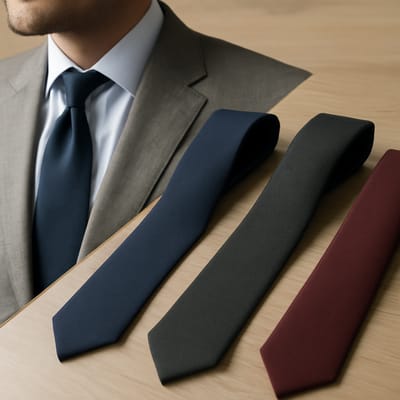
Width is one of the clearest ways to distinguish one necktie style from another. A slimmer tie gives a sharper, more contemporary impression, while a classic width feels more traditional and versatile. In practice, most men get the best results by choosing a width that matches the scale of their jacket lapels, shirt collar, and body frame rather than simply following trends.
Classic widths remain popular because they work across more settings. A tie around 7 cm to 8 cm often strikes the right balance for formal and occasion wear. It looks neat, photographs well, and usually pairs easily with standard tailoring. That is why a dedicated 7 cm width guide is useful when you want to understand how one measurement can influence the whole silhouette.
Shape matters too. A tie with a fuller blade and more structure can feel more traditional, while a lighter, narrower construction may look more directional. Knot size also changes the effect. A bulky knot can make even a well-sized tie feel heavy, while a smaller, controlled knot keeps the line cleaner.
Wedding and event planners often need width consistency across groups, especially if several men will be photographed together. Gift buyers also benefit from staying within classic proportions, since they tend to suit more wardrobes. If you are dressing for evening formality, choosing the right necktie width for black-tie events becomes especially important because proportion errors stand out quickly under a stricter dress code.
Which fabrics and finishes create the best formal look?
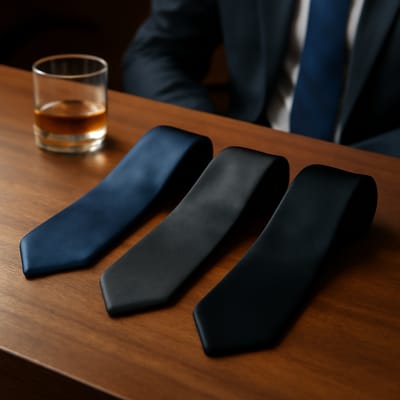
Fabric has a major influence on how a tie hangs, reflects light, and signals formality. Silk neckties are the classic standard because they balance softness, structure, and elegance. A smooth silk tie usually looks sharper and dressier than heavier textured options, which is why it remains the first choice for weddings, evening events, and business-formal dressing.
That does not mean other materials have no place. Wool and textured weaves can add depth and character, especially in cooler seasons or daytime settings. They often feel more relaxed than silk, which can be an advantage when you want personality without excessive shine. For stricter formal occasions, though, texture should be used carefully so the tie still feels polished.
Finish matters just as much as material. A subtle sheen can elevate a dark suit, but an overly glossy tie may look harsh under indoor lighting. Matte finishes can feel sophisticated, though they may appear less formal depending on the setting. Construction details such as lining and stitching also affect knot quality and drape.
For fashion enthusiasts, fabric is often where personal taste comes through most clearly. For gift buyers, sticking to silk in a classic finish is usually the safest decision. Wedding planners choosing ties for a group should pay close attention to consistent texture and sheen, because even small differences can show strongly in photos when several outfits are viewed together.
How should you approach colours, patterns, and occasion dressing?
Colour and pattern often decide whether a tie blends effortlessly into an outfit or pulls too much focus. In formalwear, darker and richer colours are usually the safest choices. Black, navy, burgundy, and other deep shades tend to look more refined and adaptable than lighter, brighter tones. That makes them especially useful for evening events, wedding receptions, and more polished social occasions.
Patterns should be chosen with the same restraint. Small repeats, tonal designs, and understated texture generally work better for formal dressing than bold prints or high-contrast novelty patterns. The goal is to add interest without interrupting the line of the suit.
A useful way to think about it is by occasion:
- Business formal suits restrained colours and minimal pattern
- Weddings allow a little more personality, depending on the venue and time of day
- Evening events usually favour darker shades and cleaner finishes
- Black-tie-adjacent occasions demand the most care with width, sheen, and overall balance
If you are coordinating with a partner's black dress, colour depth and finish deserve extra attention. A black tie is not always identical to every black garment, and undertone can affect the final result. That is why black necktie coordination and choosing the right width for black-tie settings are both worth exploring in more detail when the occasion is especially formal.
What should UK shoppers compare before buying a necktie?
When shopping in the UK non-brand market, the best approach is to compare specifics rather than broad product labels. Words like slim, classic, premium, or occasion-ready may be helpful, but they rarely tell you enough. Measurable details such as width in centimetres, fabric composition, length, texture, and care instructions give you a clearer picture of whether a tie is actually suited to your needs.
Before you buy, check:
Key buying details
- Exact width, especially for formalwear where proportion matters
- Fabric type, with silk often strongest for dressier occasions
- Length, important for taller men or larger knots
- Texture and finish, particularly for evening use
- Colour depth, since darker shades often look more formal
- Care guidance, which affects long-term value
- Return policy, useful when matching an existing outfit
Comparing a few options side by side usually reveals more than browsing dozens of listings quickly. Keep notes on measurements, fabric, and intended use so you can compare products more confidently. A shortlist is especially useful if you plan to buy for multiple events, build a small formalwear wardrobe, or choose a present for someone else.
If you want a practical next step, create a simple style checklist before you buy and update it as you learn what works for your suits and shirts. That kind of habit makes later shopping faster and more accurate.
How do care and maintenance affect long-term tie quality?
Even a well-chosen tie can lose its appeal quickly if it is not cared for properly. Formal neckties are often made from delicate materials, and poor storage habits can lead to creasing, twisting, or permanent loss of shape. That matters even more with silk, which can show wear sooner if it is repeatedly knotted tightly and left crumpled after use.
A few basic habits go a long way:
- Untie knots fully after wearing the tie
- Store ties flat or loosely rolled to reduce deep creases
- Avoid overhandling the fabric when adjusting the knot
- Spot clean carefully instead of scrubbing stains aggressively
- Keep ties away from moisture and direct heat when drying or storing
For shoppers building a small rotation of formal ties, maintenance affects value just as much as purchase price. A slightly better-made tie that lasts through multiple events often proves more worthwhile than a cheaper one that loses shape after a few wears.
Gift buyers may overlook care because they focus on the initial appearance, but long-term usability matters. Wedding and event planners should also think about maintenance if ties will be worn by multiple people or transported before the event. Detailed cleaning and storage advice deserves its own dedicated discussion, especially for black neckties and formal fabrics that need gentler handling.
FAQ: Types of necktie
What is the most versatile type of necktie?
A medium-width silk tie in a dark colour is usually the most versatile choice. It works across business settings, weddings, and many formal occasions without looking too trend-specific. For most men, it is the safest place to start.
Are slim ties still appropriate for formalwear?
They can be, but only if they match the lapels, collar, and overall scale of the outfit. In very formal settings, going too slim can make the look feel less timeless. Classic proportions are usually easier to wear well.
Which fabric is best for a formal necktie?
Silk is usually the best choice for formal neckties because it drapes well and looks refined. It also offers the right balance of softness and structure for most dressier occasions. Textured fabrics can work, but they often feel less sleek.
What should fashion enthusiasts compare when choosing tie styles?
Look at width, drape, surface texture, and how the tie works with the lapels and shirt collar. Construction details can change the entire silhouette of a formal look. Subtle choices often make the strongest impression.
What is the safest tie option for wedding and event planners?
A classic-width tie in a coordinated colour and consistent fabric is usually safest. It helps a group look unified across different body types and jacket shapes. Keeping finish and texture aligned is especially important in photographs.
What makes a necktie a good gift?
Versatility is usually the deciding factor. A silk tie in a classic width and restrained colour is easier for most people to wear across different occasions. Gift buyers should usually avoid extreme widths or loud patterns unless they know the recipient's style well.
How do I choose a necktie for black-tie-style events?
Start by checking whether a necktie is acceptable under the dress code, since some events call for a bow tie instead. If a necktie is suitable, focus on balanced width, dark colour, and refined fabric. Evening formality leaves less room for proportion mistakes.
How should I store ties to keep them in good condition?
Untie them fully after wear and store them flat or loosely rolled. This helps preserve the fabric and reduces deep wrinkles. Proper storage can make a noticeable difference in how long a tie keeps its shape.