Necktie Types & Styles: Ultimate UK Guide 2026
Breadcrumb
What should you know about necktie types and styles first?
Necktie types and styles can look deceptively simple until you start shopping for one specific event. In practice, the right tie depends on width, fabric, finish, colour, pattern, and how formal the occasion is. For UK shoppers looking at non-brand options, that mix can feel surprisingly difficult to navigate. The good news is that most strong choices follow a few classic rules.
Start with the role the tie needs to play. Some neckties are designed for business wear, some for weddings, and some for sharper evening dressing. A formal tie should complement your shirt, jacket, and shoes rather than compete with them. That is especially true in black-tie-adjacent settings, where proportion and restraint matter more than novelty.
This guide brings the main decisions together so you can compare formal neckties with confidence. You will see how width changes the overall impression, why fabrics matter more than many shoppers expect, and how colour coordination affects the polish of the final look. If you are already narrowing down evening options, how to choose the right necktie width for black-tie events breaks down one of the most important details in more depth.
Fashion enthusiasts often focus on silhouette and texture first, while gift buyers may care more about versatility and ease. Wedding and event planners usually need something else again: a tie style that works consistently across several people, outfits, and lighting conditions. That is why understanding the basics pays off before you buy.
How do tie widths shape the look of formalwear?

Tie width changes the character of an outfit faster than many men realise. A narrower tie can feel modern and sharp, while a wider tie often looks more traditional and substantial. In formalwear, though, the best result usually comes from proportion rather than trend. The tie should sit comfortably within the scale of your lapels, collar, and body frame.
For many formal outfits, 7 cm to 8 cm remains the most dependable range. It feels classic, photographs well, and works across a broad mix of suits and evening looks. A 7 cm tie often gives a clean, contemporary profile without looking too skinny, which is why it remains a popular reference point in formal dressing. That is also why topics like the 7 cm width guide deserve closer attention when you are refining a wardrobe.
A few quick principles help:
- Slim lapels usually pair best with moderately slim ties.
- Standard lapels suit classic widths well.
- Broader frames often need slightly more width for balance.
- Spread collars generally look better with a medium-width tie and controlled knot.
For men attending black-tie-style events, width needs extra care because a tie that is too slim or too broad can throw off the whole outfit. That is where how to choose the right necktie width for black-tie events becomes especially useful. It shows how width interacts with lapels, collars, and formal dress expectations instead of treating tie measurements in isolation.
Which fabrics and finishes work best for different occasions?
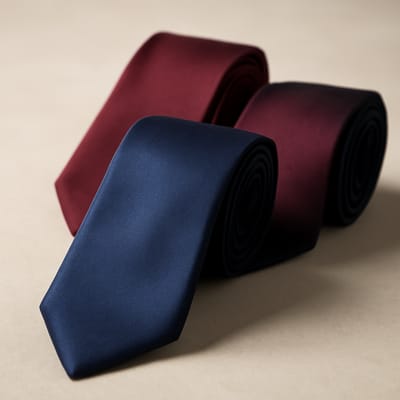
Fabric determines how a tie drapes, catches light, and signals formality. Silk ties remain the classic option because they combine softness, structure, and a subtle richness that suits business and occasion wear alike. A smooth silk finish usually looks cleaner and more formal than heavier, textured materials. That makes it a strong choice for evening events, weddings, and dressier dinners.
Wool, grenadine-style weaves, and matte textures can also look excellent, but they create a different mood. They often feel more relaxed, tactile, and seasonal. In colder months or daytime events, that can work beautifully. In stricter formal settings, especially those leaning toward black tie, they may feel less sleek than silk.
Finish matters just as much as fibre. A tie with a refined sheen can elevate a dark suit, but too much shine can look cheap under indoor lighting. Aim for controlled lustre, not high-gloss satin. Small details like interlining and edge finishing also affect how well the tie knots and how neatly it hangs.
For fashion enthusiasts, this is often where style becomes personal. Texture can add depth without relying on loud pattern. For gift buyers, fabric is a practical shortcut: choosing silk in a classic finish usually gives the best chance of pleasing someone with unknown preferences. And for planners sourcing multiple ties for a wedding party, consistent fabric finish matters almost as much as colour if you want the whole group to look cohesive in photographs.
How should you handle colours, patterns, and black-tie coordination?
Colour is one of the easiest ways to get a necktie right or wrong. In formal settings, darker shades usually look more refined and adaptable. Black, deep navy, burgundy, and other rich tones tend to pair well with evening tailoring, while brighter colours can feel distracting unless the event is more relaxed. If the outfit involves coordinating with a partner's black dress, the finish and depth of the tie colour matter just as much as the shade itself.
Patterns should support the outfit rather than dominate it. Subtle repeats, tonal motifs, and understated textures are generally safer than bold prints for formalwear. A tie with too much visual activity can break the clean line of a suit and compete with the occasion.
A simple framework helps:
- Solid dark ties are the most versatile for formal use
- Tonal patterns add interest without overwhelming the look
- High-contrast prints work better in less formal settings
- Matte and glossy finishes should match the mood of the outfit
Black-tie coordination adds another layer. You need to think about shirt brightness, lapel texture, pocket square restraint, and whether a necktie is even appropriate for the dress code. If you are making that call, how to choose the right necktie width for black-tie events gives more specific guidance on evening balance. Colour coordination with a black dress, meanwhile, deserves its own dedicated discussion because undertone and sheen can change the result more than many people expect.
What occasions and dress codes call for different necktie styles?
Different events ask for different levels of polish, and necktie styles should reflect that. Business meetings usually favour dependable classics: medium widths, restrained patterns, and fabrics that look smart in daylight. Weddings allow a little more expression, but the best choice still depends on time of day, venue, and how formal the event feels. Evening receptions and black-tie-adjacent occasions usually call for darker colours, cleaner finishes, and sharper proportions.
It helps to think in terms of dress-code pressure. The stricter the event, the less freedom you have to experiment. At a relaxed party, a textured tie or slightly unusual pattern may work well. At a formal dinner, the same choice could feel out of place. A traditional black-tie event may call for a bow tie rather than a necktie at all, but many modern events leave room for a necktie if the overall outfit remains disciplined.
Wedding and event planners often have to solve this problem at scale. A tie that looks great on one person can feel inconsistent across a whole group if widths, textures, or knot sizes vary too much. For that reason, standardising around a classic width and formal fabric is usually the safest route.
If you are shopping for one tie to cover several occasions, lean toward a dark silk option in a classic width. It will usually transition more easily between weddings, formal dinners, and polished evening events than something more directional or trend-led.
How can UK shoppers compare neckties and buy with confidence?
For UK shoppers buying non-brand neckwear, the smartest approach is to compare measurable details instead of relying on vague labels. Terms like slim, modern, or classic are useful starting points, but they do not tell you enough on their own. Exact width in centimetres, fabric composition, length, lining, and finish are much more useful when you are trying to judge value and suitability.
Before buying, check these points carefully:
What to compare on a product page
- Width in cm, especially if you want a 7 cm to 8 cm formal range
- Fabric composition, with silk often the strongest formal option
- Length, which matters for taller men or larger knots
- Texture and sheen, particularly for evening wear
- Care instructions, since some ties are harder to maintain than others
- Return options, helpful when matching an existing outfit
Comparing products side by side is often the fastest way to narrow choices. Keep a short list of ties with their measurements, fabric, and intended occasion. That makes decision-making easier whether you are buying for yourself, sourcing accessories for an event, or choosing a gift.
If you want a useful next step, create a simple style shortlist before you buy and keep notes on width, fabric, and colour. That kind of personal style guide makes future formalwear shopping much easier. It also gives you a practical reason to sign up for updates if you want help comparing new arrivals, seasonal options, or occasion-specific recommendations.
FAQ: Necktie types and styles in the UK
What is the most versatile necktie style for formal occasions?
A dark silk tie in a classic width is usually the most versatile choice. It works across weddings, dinners, and many business-formal settings without looking trend-driven. For most men, that makes it the safest foundation piece.
Is 7 cm a good tie width for modern formalwear?
Yes, 7 cm is a strong option for modern formalwear. It gives a neat, contemporary look while still feeling appropriate with many lapel shapes and dress shirts. That is why it remains one of the most useful reference widths.
How do I choose a tie for a black-tie event?
Start by checking whether a necktie is acceptable under the dress code, since some events still require a bow tie. If a necktie works, choose a dark silk option in a balanced width and keep the finish refined. How to choose the right necktie width for black-tie events explains the finer points.
Which tie fabrics are best for weddings?
Silk is usually the easiest and most polished option for weddings because it drapes well and looks refined in photos. Textured fabrics can work for daytime or seasonal weddings, but they may feel less formal in evening settings. The venue and dress code should guide the final choice.
What should fashion enthusiasts focus on when comparing tie styles?
Look closely at proportion, fabric texture, sheen, and how the tie works with the lapels and collar. Small differences in construction can change the whole impression of an outfit. The strongest formal looks usually feel intentional rather than overly styled.
What is the safest tie choice for wedding and event planners?
A classic width in a consistent dark or coordinated tone is usually safest for group styling. It helps create a cohesive look across different builds and jacket shapes. Keeping fabric and finish uniform also improves the overall effect in photographs.
What necktie makes the best gift for someone who wears formalwear?
Choose a medium-width silk tie in a versatile dark colour. It is easier to wear across multiple occasions and less likely to feel dated quickly. Gift buyers should usually avoid extreme widths or loud patterns unless they know the recipient's taste well.
How should I care for formal neckties?
Store ties flat or loosely rolled, and untie knots fully after wear to protect the fabric. Spot cleaning should be done carefully, especially with silk. Proper cleaning and storage matter because formal ties can lose shape quickly if handled roughly.