Necktie Width for Black-Tie: How to Choose 2026

Breadcrumb
Home > neckties > types of Necktie > classic
What necktie width works best for black-tie events?
Choosing the right necktie width for a black-tie event comes down to balance, not trend chasing. For most men, a tie around 7 cm to 8 cm wide gives the cleanest formal look. It feels refined, sits neatly against a dress shirt, and works well with the sharper tailoring usually worn at evening events. A tie that is too skinny can make formalwear look fashion-led rather than polished, while an overly wide tie can feel dated and heavy.
The first thing to remember is that black-tie dressing rewards restraint. Your formal necktie should support the outfit, not dominate it. That is why width matters so much. It affects how your jacket, shirt collar, and knot work together. In most cases, a classic width offers the safest choice for dinners, galas, weddings, and other dress-code-driven occasions.
Fabric also changes how width reads. A silk tie with a subtle sheen looks slimmer and cleaner than a thicker textured tie in the same measurement. That matters if you want a streamlined profile. A fashion enthusiast may notice this instantly, while a gift buyer may simply want a tie that feels reliably elegant without second-guessing the details.
If you are building a formal wardrobe, it helps to think of width as part of a broader style system that also includes fabric, finish, and colour coordination. Topics like 7 cm proportions, black tie colour matching, and silk versus wool all deserve their own closer look when refining formalwear choices.
How should tie width match your lapels, shirt collar, and build?

The easiest way to choose the right necktie width is to match it to the scale of the rest of your outfit. Start with your jacket lapels. A tie should usually look visually similar in width to the widest part of the lapel. You do not need exact symmetry, but close proportion creates a smarter result. If your lapels are moderate, a 7 cm to 8 cm tie usually looks right. Slim lapels can handle a narrower tie, though black-tie settings still benefit from avoiding extremes.
Your shirt collar matters too. A spread or semi-spread collar often pairs better with a medium-width tie and a balanced knot. A very slim tie under a wider collar can leave awkward space and make the outfit feel underdone. On the other hand, a broader tie with a very narrow collar can look crowded.
Body frame also plays a role:
- Slim builds often suit 7 cm ties well.
- Average builds can usually wear 7 cm to 8 cm comfortably.
- Broader builds may prefer 8 cm for better visual balance.
- Taller men should consider both width and length so the tie keeps proportion from top to bottom.
For wedding and event planners helping clients coordinate groups, consistency matters. A tie that flatters one person may look slightly off on another if lapels and shirt styles vary. In those cases, a classic medium width is usually the safest shared choice for a cohesive formal appearance.
Do fabric, finish, and colour change how tie width looks?
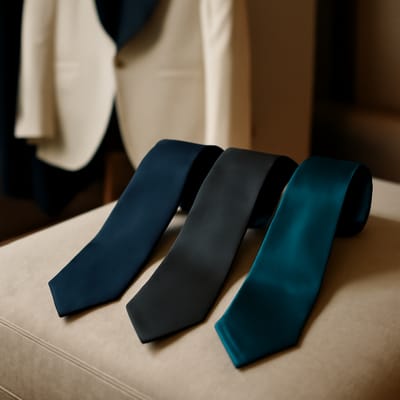
Yes, and often more than people expect. A tie's measured width is only part of the story. Silk neckties with a smooth finish tend to look more formal and visually tighter, even when they are not especially narrow. Textured fabrics, matte weaves, and heavier constructions can make the same width appear broader. For black-tie events, that means fabric choice can either sharpen or soften the outline of your look.
If you want a cleaner evening style, choose a silk tie with a refined surface and minimal texture. It helps the tie sit flatter and keeps attention on the overall silhouette. This is especially useful when wearing a dark suit or tuxedo-inspired outfit, where too much texture can interrupt the sleek effect.
Colour plays a similar role. A black or very deep midnight tie usually reads slimmer and more formal than a lighter shade in the same width. That is one reason black-tie necktie styling often leans toward darker tones. If you are coordinating with a partner's black dress, subtle differences in sheen and fabric can matter as much as colour itself.
Keep patterns understated. Small repeats, tonal designs, or almost invisible texture can work, but loud motifs pull focus away from fit and proportion. For fashion enthusiasts comparing options, this is where details make the difference. For gift buyers, the safest route is simple: dark silk, classic width, restrained finish, and a shape that will stay relevant beyond one season.
What mistakes make a black-tie necktie look out of place?
The biggest mistake is treating black-tie styling like everyday office wear. Formal occasions require more precision, and small errors become obvious quickly. A tie that is too skinny can look trendy rather than timeless. A tie that is too wide can overpower the shirt front and compete with the jacket. Either one breaks the quiet elegance that formalwear depends on.
Other common mistakes include:
- Ignoring lapel width and choosing a tie based only on current fashion
- Picking a bulky fabric that makes the tie look heavier than intended
- Using a large knot that overwhelms the collar and chest area
- Choosing shiny, cheap-looking satin instead of refined silk or a subtle weave
- Wearing a tie in a black-tie setting where a bow tie would clearly be more appropriate under the dress code
This last point matters. Some black-tie events are strict, and a necktie may feel slightly less formal than a bow tie. Still, many modern evening weddings, receptions, and dinner events allow a necktie if the rest of the outfit is polished. In those situations, classic width and fabric become even more important.
For men shopping in the UK non-brand market, it is worth comparing real product measurements rather than relying on vague labels like slim or classic. A product page that lists width in centimetres, fabric composition, and finish gives you a much better chance of choosing well and comparing products with confidence.
How do you choose the best necktie width when shopping?
When you are ready to buy, start with a simple filter: for most black-tie-adjacent outfits, look at ties in the 7 cm to 8 cm range. That is the easiest starting point for a balanced, formal appearance. Then narrow your options by jacket lapel width, shirt collar shape, and fabric. If the tie will be worn at multiple events, favour versatility over novelty.
A quick buying checklist helps:
What to check before you buy
- Exact width in cm rather than just slim or regular
- Fabric composition, ideally silk for a dressier finish
- Surface texture, keeping it subtle for evening wear
- Length, especially if you are taller or prefer a larger knot
- Colour depth, with black and very dark tones usually safest
- Return policy, useful when matching to an existing formal outfit
For product comparison, place two or three ties side by side and judge them against your lapels, not in isolation. That makes width differences easier to spot. Wedding planners choosing accessories for groomsmen may want one versatile width that works across several body types. Gift buyers should lean toward the most classic option, since it is easier to wear well.
If you want a practical next step, keep a short shortlist with measurements, fabric, and finish noted down. That makes future comparisons faster and helps you shop more confidently before the event.
FAQ: Choosing necktie width for black-tie events
What is the best tie width for a black-tie event?
For most men, a tie between 7 cm and 8 cm works best. It looks formal, balanced, and versatile with typical evening tailoring. Going much narrower or wider can make the outfit feel less polished.
Can you wear a necktie instead of a bow tie to a black-tie event?
Sometimes, yes, but it depends on how strict the dress code is. Traditional black tie usually calls for a bow tie, while modern formal events may allow a necktie. If you wear one, choose a dark silk tie in a classic width.
Should tie width match lapel width exactly?
Not exactly, but it should feel visually balanced. A tie close to the width of the widest part of the lapel usually looks smartest. This keeps the jacket and tie working together rather than competing.
Is a 7 cm tie formal enough for evening weddings?
Yes, in most cases a 7 cm tie is formal enough for evening weddings and similar events. It offers a clean, modern look without becoming too slim. That makes it a strong option for wedding and event planners coordinating a polished group style.
Does fabric matter as much as width?
Yes. A silk tie with a smooth finish usually looks more formal than a textured tie of the same width. Fabric affects drape, sheen, and how slim or broad the tie appears.
What tie width is safest if I am buying a gift?
A classic medium width is usually the safest choice. It suits more body types, works with a wider range of lapels, and feels less trend-driven. For most gift buyers, that means staying close to the 7 cm to 8 cm range.
Do fashion enthusiasts ever choose narrower ties for black-tie looks?
Some do, especially for more directional formal outfits. However, a very narrow tie can look less timeless and may not suit traditional evening settings. If style experimentation matters, keep the fabric luxurious and the rest of the outfit sharply tailored.
How do I compare tie options when shopping online in the UK?
Check the listed width in centimetres, fabric composition, finish, and length before comparing price. Product pages with clear measurements make it much easier to judge proportion. This is especially helpful when comparing options for formalwear tie guide searches and black-tie tie sizing.