Black Tie Classic Neckties: Types & Silk Guide 2026
Breadcrumb
What defines a black tie classic necktie today?
A black tie classic necktie sits at the meeting point of formality, versatility, and clean design. It is not just a dark accessory. The right tie shapes the tone of an outfit, sharpens tailoring, and helps you move between office wear, evening events, weddings, and gift buying with much less guesswork. For many wardrobes, one well-chosen black tie can cover more situations than several trend-led options.
The details that matter most are width, fabric, finish, and coordination. A classic black tie usually works best when the proportions feel balanced and the fabric matches the occasion. That matters whether you are dressing for a structured work look, choosing a gift, planning outfits for an event team, or building a compact collection without relying on brand names.
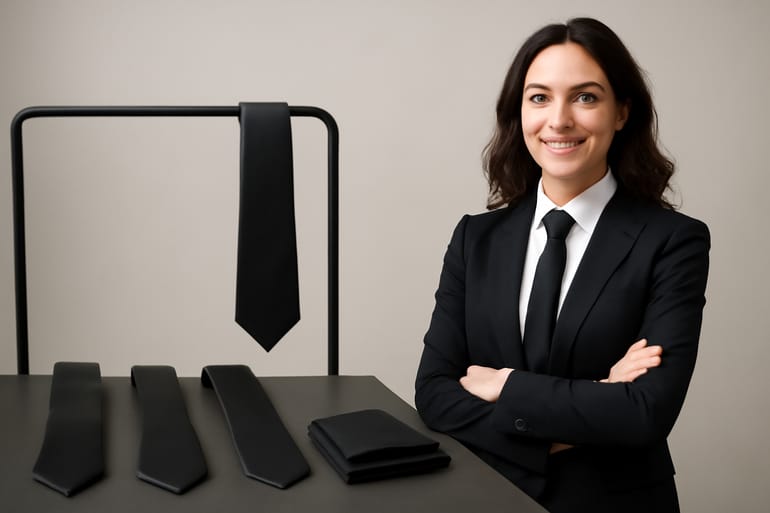
Women shoppers often need a broader style lens because ties interact with blazer shapes, shirt collars, dresses, and layered tailoring differently than they do in standard suiting. Color-based buyers may focus first on getting the right black tone, while non-brand neckwear shoppers often care more about quality and practicality than labels. Event planners usually want consistency, easy pairing, and a finish that photographs well under varied lighting.
This guide gives you the overview first, then points you toward deeper reading where it helps. If you want a practical starting point for everyday decisions, how to choose the right black necktie for formal and office outfits breaks the buying process into simple steps.
Which classic black necktie types work best for formal wear?
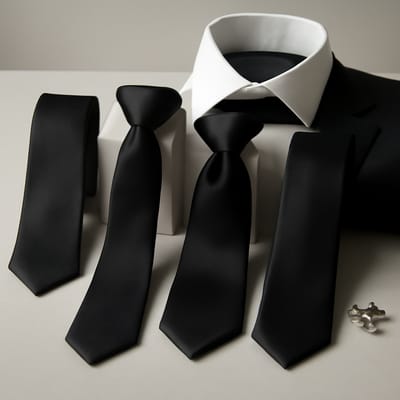
Not every black tie creates the same impression. Even within a classic category, small differences in shape and surface finish change how formal the tie feels. For most formal and semi-formal use, the safest choice is a plain black tie with a clean blade, minimal texture, and a proportion that suits the rest of your outfit. That gives you flexibility across dinner events, ceremonies, office functions, and polished daywear.
A smooth silk tie usually feels the most elevated. A matte or lightly textured black tie often reads more understated, which makes it easier for office settings or less ceremonial outfits. Patterned black ties can work, but the more visible the pattern, the less universal the tie becomes. If versatility is your priority, plain finishes almost always win.
A practical way to think about classic types is:
- Silk black neckties for evening formality and sharp contrast
- Matte black neckties for office wear and quieter styling
- Textured black neckties for adding depth without obvious pattern
- Slimmer ties for fashion-led outfits with narrow tailoring
- Medium-width ties for the broadest cross-occasion use
For shoppers comparing occasion use, fabric often matters more than style labels on a product page. That is especially true when you are buying without brand loyalty and need the tie to perform across several settings. If you want a closer comparison of finish and use case, black silk vs matte black neckties: fabric choices and occasions helps clarify where each option fits best.
Why does 7 cm width matter so much for black neckties?

The 7 cm necktie width has become a dependable middle ground because it looks balanced on a wide range of body types, shirt collars, and outfit structures. It is narrow enough to feel modern but not so slim that it becomes trend-specific. It is also wide enough to hold its own in formalwear without appearing heavy or dated.
That balance is exactly why 7 cm works so well as a hub standard for black ties. In office outfits, it gives a clean professional line without pulling attention away from the rest of the look. In formalwear, it feels refined and intentional. For gift buyers, it is also the least risky width because it suits more wardrobes than an extreme slim or wide cut.
Women styling ties with blazers, tailored shirts, or dresses often benefit from this proportion because it tends to sit neatly against varied necklines. Color-based buyers should also remember that width changes visual impact. A wider black tie creates more contrast at the centre of the outfit, while a narrower one reads lighter and more fashion-forward.
Keep these width principles in mind:
- Match tie width to lapel and collar scale
- Use medium width for the safest all-round option
- Avoid very slim ties for conservative formal settings
- Avoid overly wide ties if your frame or outfit is softer
- Check how the tie looks from a full outfit view, not close-up only
For a more specific breakdown, width recommendations for black neckties to flatter different necklines explains how width interacts with silhouette, neckline, and overall balance.
How should you choose between silk, matte, and textured fabrics?
Fabric changes almost everything about a black tie. It affects shine, depth of colour, knot shape, drape, and how dressy the tie feels under daylight or evening lighting. Silk remains the classic choice for formalwear because it offers natural richness without needing obvious pattern. It usually forms a cleaner knot and gives black a deeper visual dimension.
A matte finish feels more relaxed and practical for office use. It can blend better with wool blazers, cotton shirts, and softer workwear fabrics. Textured ties sit somewhere in between. They add interest, reduce glare, and can make black easier to wear in daytime settings where a glossy finish might feel too stark.
If you are shopping for a multi-use tie, ask a few simple questions before buying:
- Will you wear it mostly in the evening or during office hours?
- Do you want sharp contrast or a softer finish?
- Will it be paired with crisp shirts or textured tailoring?
- Do product photos show the weave clearly?
- Does the fabric composition match the price point?
This is where non-brand neckwear shoppers can make especially good decisions. You do not need a label to identify quality. You need clear fabric information, close-up imagery, neat construction, and a finish that suits your wardrobe. A future styling guide on pairing black neckties with women's blazers and dresses will take this even further, because fabric choice becomes even more important once neckwear is integrated into layered outfits.
What coordination rules make black ties look polished?
The easiest way to coordinate a black tie is to start with contrast. A black-and-white pairing remains the clearest, smartest option because it creates structure without visual clutter. A white shirt and black tie look formal, graphic, and controlled. Pale blue and soft grey shirts can work well for office settings, but they usually soften the overall effect.
After colour, focus on knot balance and outfit formality. A four-in-hand knot works well for daily wear because it feels slightly relaxed. A half-Windsor is more symmetrical and often better for formal events, structured collars, and presentation-heavy settings. The tie tip should usually reach around the waistband area, and the knot should match the collar size rather than fight it.
A quick coordination checklist helps:
- Keep shirt patterns subtle when the tie is central
- Match smoother ties with more formal outfits
- Use matte textures for softer office wardrobes
- Keep accessories restrained in highly formal looks
- Check the tie in natural and artificial light before committing
For women, the best results usually come from pairing the tie with enough structure elsewhere in the outfit, such as a tailored blazer or crisp shirt. For event planners, consistency matters more than novelty. A group wearing similar black ties against coordinated shirts will usually look cleaner in person and in photos. A future care and maintenance guide will also matter here, because a black tie loses polish quickly if it is wrinkled, shiny in the wrong places, or poorly stored.
How do you buy a black necktie that covers office, gifts, and events?
The smartest purchase is usually not the most dramatic tie. It is the one that works across the most situations. If you want a black tie for office wear, formal occasions, gifting, or coordinated event use, start with a medium-width option in a refined finish that is not excessively glossy. That combination gives you flexibility without locking you into a single dress code.
Before buying, look for these signs of value:
- Clear dimensions, especially width and length
- Fabric transparency, including silk or blended composition
- Clean stitching and a straight blade shape
- True black colour rather than faded or blue-heavy tones
- Product photos that show texture and knot appearance
For direct product recommendations, compare ties side by side instead of relying on one hero image. Affiliate-style buying content is most helpful when it shows width, finish, and use case clearly. If you like saving practical guidance for later, a short styling checklist can also help narrow the field before checkout.
Women shoppers buying for personal style may want one tie for tailored outfits and another for strict formalwear. Event planners often do better with one dependable specification for the whole group. Shoppers who care mainly about colour should compare several black tones on screen with caution, since lighting can hide whether a tie reads soft black, jet black, or charcoal.
If you want a more focused buying framework, how to choose the right black necktie for formal and office outfits is the most practical next step before making a purchase.
Frequently asked questions about black tie classic neckties
What is the best all-round width for a black tie?
For most wardrobes, 7 cm is the safest and most versatile width. It works well for formalwear, office outfits, gifting, and a wide range of shirt collars without feeling too slim or too wide.
Is a silk black tie always the best choice?
Silk is usually the strongest choice for formal occasions because it has elegant drape and a richer finish. For office wear, a matte or lightly textured tie can be easier to style and less visually severe.
How can color-based buyers choose the right black tone?
Check the tie in natural light and compare it with the shirts or tailoring you wear most often. Some black ties lean charcoal or blue-black, which can noticeably change the mood of an outfit.
What should non-brand neckwear shoppers focus on first?
Start with width, fabric composition, finish, stitching, and drape. These details tell you far more about real quality than branding or vague premium wording on a product page.
Are black ties suitable for women’s office and formal outfits?
Yes, especially when the tie width and knot are balanced with the outfit. Medium-width ties tend to integrate well with blazers, tailored shirts, and structured layered looks.
Why do event planners often choose black neckties?
Black ties make group coordination easier because they pair simply with common shirt colours and look consistent in photos. They also reduce styling complexity when people have different body types or tailoring cuts.
Which knot works best with a classic black necktie?
A four-in-hand is a reliable choice for office wear and slightly more relaxed styling. A half-Windsor is often better for formal events when you want a more symmetrical, polished finish.
Should I buy one black tie or more than one?
If you want maximum versatility, start with one medium-width black tie in a balanced finish. Once you know your needs, adding a silk formal option or a matte office option can make your wardrobe more flexible.