Silk Blue Floral Ties: Material & Buying Guide 2026
Breadcrumb
Why is silk the go-to fabric for blue floral ties?

If you’re shopping for a blue floral tie, silk is usually the safest “looks great in real life” choice. The reason is simple: silk holds dye beautifully, so blue tones look richer (from icy sky blue to deep navy), and floral details stay crisp instead of muddy.
What silk does better than most fabrics
- Color depth and contrast: Silk reflects light in a way that makes blues feel layered, which helps floral patterns pop without shouting.
- Drape and knot shape: A silk floral necktie tends to form a clean knot and hangs straight, which matters when the pattern is busy.
- Texture that reads formal: Even when the print is playful, silk’s natural sheen can keep the look polished.
The pain point: “Will it look cheap or costume-y?”
Blue floral ties can swing from elegant to loud fast. Silk reduces that risk because the print edges are typically sharper and the surface has a refined finish. If you want a tie that can move from office to event with minimal second-guessing, a silk blue floral tie is the easiest starting point.
Quick tip: If your suit and shirt are already high-contrast, choose a silk tie with a darker blue ground and smaller florals to keep everything balanced.
Which silk weaves work best for floral patterns (and why it matters)?
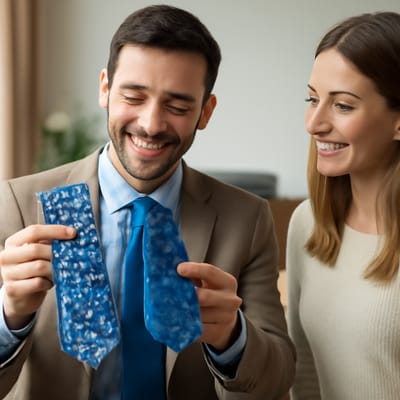
A common frustration is buying a blue floral tie online and realizing the surface looks flatter, shinier, or more textured than expected. That’s usually the silk weave, not the print.
Popular silk options you’ll see
- Twill silk: Slight diagonal texture. Great for everyday wear because it’s forgiving and reads “classic.” Florals look defined without being too glossy.
- Satin silk: Smooth with higher sheen. Best when you want a dressier look (evening events), but it can highlight wrinkles and may feel flashy in bright lighting.
- Jacquard silk: Pattern is woven in, not just printed. Even with floral motifs, it often looks more dimensional and premium—especially in navy or mid-blue grounds.
- Grenadine-style open weave (silk): Breathable texture and subtle depth. Excellent when you want a floral tie to feel less “printed” and more menswear-forward.
How to choose based on the look you want
- Want a safer daily driver? Pick twill silk.
- Want maximum formality? Choose satin silk (ideally darker blues).
- Want texture and depth that elevates florals? Go jacquard or open-weave silk.
This is also where price differences show up: complex weaves and cleaner edges typically cost more, but they often photograph and wear better over time.
How do you pick silk quality without touching the tie?

The biggest buying pain point with a silk blue floral tie is not being able to feel it first. You can still make a smart call by checking a few concrete details on the product page.
What to look for in the listing
- Fabric composition: “100% silk” is the simplest baseline. Blends can be fine, but they often change sheen and drape.
- Lining and construction: Look for notes like self-tipping (silk at the back ends) or a well-described interlining. Better construction helps the knot sit neatly.
- Print clarity: Zoom in. You want clean edges on petals and leaves, not fuzzy boundaries—especially on light-blue backgrounds.
- Pattern scale vs. tie width: Large florals on a very slim tie can look cramped; tiny florals on a wide tie can look like visual noise from a distance.
A quick decision framework (works fast)
- If you need versatility: medium sheen + medium texture (often twill or subtle jacquard).
- If it’s for formal photos: darker ground + controlled sheen (avoid ultra-shiny bright blues).
- If you’re building a tie wardrobe: pick one “quiet” floral (small pattern) and one “statement” floral (larger pattern), both in silk.
Best For: Gift buyers (and gift shoppers)
When you’re buying for someone else, aim for navy or deep blue with a small-to-medium floral. It’s easier to wear with common suits, and silk makes it feel like a real upgrade without needing to know their full wardrobe.
Silk care for blue floral ties: how to keep color and shape
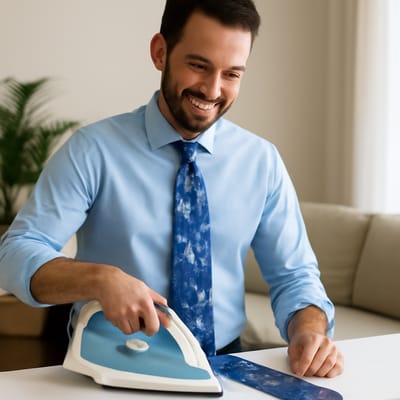
Silk looks amazing, but it punishes sloppy care. The most common issue is losing the tie’s shape (wavy edges) or dulling the blue tones over time.
Daily habits that prevent damage
- Untie after every wear: Leaving knots set creates permanent creases.
- Hang or roll: Let the tie rest so silk fibers relax; this reduces wrinkles without heat.
- Rotate wears: Give silk at least a day off between wears.
Spot-cleaning without ruining silk
- Blot (don’t rub) with a clean cloth.
- For water-based spots, use a barely damp cloth and blot outward.
- For oil spots, a small amount of absorbent powder can help lift oil before it sets.
When to dry clean
If the stain is set, or the tie has a structured interlining that could warp with moisture, professional cleaning is usually safer. Ask for a cleaner experienced with ties so the blue floral tie doesn’t come back pressed flat.
Best For: Wedding & event planners
If you’re coordinating multiple looks, silk ties photograph best when they’re wrinkle-free and consistent in sheen. Build in time for steaming shirts and letting ties rest on hangers overnight—small prep steps that prevent last-minute “why does this look uneven?” issues in group photos.
When should you choose silk over other fabrics for a blue floral tie?

Because this is often a purchase with an occasion in mind, it helps to be clear on when silk is the right call—and when another fabric might be better for your needs.
Choose silk when you want:
- A more formal impression (weddings, interviews, evening events)
- Sharper floral detail and richer blue tones
- A cleaner knot and better drape under a jacket
Consider alternatives when you need:
- Rugged everyday wear: Some textured fabrics hide wear better, especially if you’re hard on accessories.
- Hot-weather casual: Lightweight textures can feel less dressy and more breathable.
Practical buying guidance (with price in mind)
- Budget: You can find silk ties that look good, but expect simpler weaves and less detailed pattern work.
- Mid-range: Often the sweet spot for a silk blue floral tie—balanced sheen, better construction, clearer prints.
- Premium: You’re paying for refined weave, stronger finishing, and pattern placement that looks intentional.
Best For: Menswear enthusiasts
If you enjoy dialing in outfits, pick two silk florals in different textures: one smoother (dressier) and one more textured (more versatile). The same blue floral concept can read completely different depending on weave and sheen.
If you want a quick next step, consider grabbing a printable color-coordination cheat sheet (shirt + suit pairings for blue florals) before you shop—then you’ll know exactly what you’re buying the tie to match.
Frequently Asked Questions

Is a silk blue floral tie too bold for business wear?
Not necessarily. Choose a darker blue base with smaller florals and pair it with a solid shirt. The silk sheen keeps it polished, while the scale controls how “loud” it feels.
What silk weave looks best for weddings with blue floral ties?
For weddings, jacquard silk or a refined twill usually photographs well because it adds depth without excessive shine. Avoid very glossy satin in bright venues if you want a softer look.
How can wedding and event planners keep a set of silk ties consistent?
Buy the same weave and similar sheen level across the group, not just the same color family. Let ties hang overnight and ensure everyone knots at a similar height for uniform photos.
What’s the safest blue shade for a silk floral tie as a gift?
Navy or deep blue is the safest because it pairs with most charcoal and navy suits. A small-to-medium floral is more universally wearable than oversized blooms.
Are silk floral ties good gifts for people who don’t wear ties often?
Yes, if you keep it versatile: darker blue, moderate pattern, and a classic width. Silk makes it feel special, but the styling remains straightforward.
How do menswear enthusiasts choose between twill silk and jacquard silk florals?
Pick twill for a cleaner, more traditional look and easy daily pairing. Choose jacquard when you want extra texture and dimension that elevates a simple suit-and-shirt combo.
How should I store a silk blue floral tie to prevent wrinkles?
Untie it after wearing and hang it or roll it loosely in a drawer. Avoid tight knots or clips that crease the silk and distort the floral print.
Can I steam a silk blue floral tie?
Light steaming at a distance can help relax wrinkles, but avoid direct heat and pressing. If the tie has stubborn creases or a stain, professional cleaning is safer.