Black tie color matching: shirt & suit combos 2026

Breadcrumb
What makes black tie color matching tricky (and fixable)?
Black tie color matching sounds simple until you see it in real light. A solid black necktie can read inky, charcoal, or slightly warm depending on fabric, shirt brightness, and suit finish. The result is a look that’s either crisp and intentional, or slightly “off” in photos.
The main fix is to think in contrast and texture instead of chasing an exact “black.” Contrast is your silhouette (tie against shirt). Texture is your depth (tie against suit). Once you control those two levers, black ties become one of the easiest tools for a sharp, versatile wardrobe.
This guide focuses on shirt and suit combinations that work with a black tie for business, events, and modern formalwear. If you want the most classic starting point, how to style a solid black necktie with white shirts goes deeper on collar choices, knot balance, and avoiding “server uniform” vibes.
You’ll also see buying notes where they matter, since your tie’s fabric and finish determine whether it looks boardroom-clean, evening-formal, or casually minimal.
Which shirts pair best with a solid black tie?
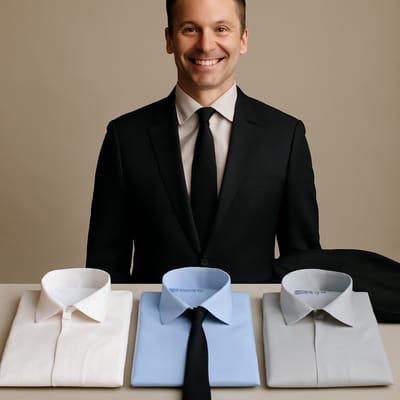
Start with the shirt because it sets the contrast. With a black tie, you’re usually choosing between high-contrast classic, medium-contrast modern, or low-contrast moody.
High-contrast (most versatile)
- White shirt: the safest, sharpest pairing for interviews, meetings, and formal events. Choose a clean white (not creamy) if you want maximum crispness.
- Very light blue: softer than white, still professional. Works especially well under navy or mid-grey suits.
Medium-contrast (modern, less “uniform”)
- Light grey shirt: creates a sleek gradient with a black tie. Keep the suit either charcoal (for depth) or navy (for separation).
- Pale pink: surprisingly effective for evening weddings when kept subtle. Avoid loud saturation; you want refinement.
Low-contrast (fashion-forward)
- Black shirt: can look striking but shows lint and sheen differences fast. Keep the tie matte and the suit texture intentional.
Fit and collar matter as much as color. A structured collar helps the knot look deliberate, especially for retailers styling mannequins or lookbooks. And if you’re selecting ties to stock, remember that fabric changes the “black” you see; best fabrics for solid black neckties (silk, wool, microfibre) breaks down which finishes photograph cleanest and resist creasing.
What suit colors work best with a black tie (and why)?
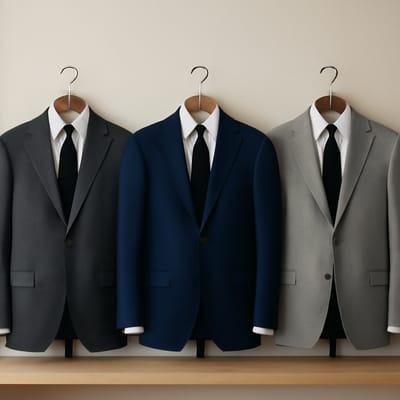
With suits, black ties succeed when the suit either frames the tie with contrast or supports it with deliberate tonality.
Navy suit + black tie
Navy is the easiest “modern classic.” The tie reads bold without looking like a default uniform. Choose a white or light blue shirt for clean separation. For most men shopping for a do-it-all formal outfit, this combo is a dependable first buy.
Charcoal suit + black tie
Charcoal creates an elegant, understated look. It’s excellent for colder seasons and evening events. Keep the shirt white or very light grey to avoid the entire outfit collapsing into one dark mass.
Mid-grey suit + black tie
Mid-grey is bright enough that the black tie anchors the look. It’s a strong choice for daytime ceremonies and corporate events where you want to look formal but not severe.
Black suit + black tie
This can look great, but only if the textures separate. Pair a matte tie with a subtly textured suit, and keep the shirt crisp (white is the cleanest). Wedding planners often like this for cohesive party styling, but it needs lint control and consistent fabric finishes across the group.
If you’re dressing for a specific event type, dress code matters as much as color. The nuances are covered in solid black necktie for weddings: dress codes and pairing, especially for photo-friendly coordination across groomsmen and families.
A quick combo matrix: safest to boldest pairings
Use this matrix to choose combinations quickly. It’s built around what reads best in person and in photos, which matters for men’s fashion enthusiasts chasing sharp contrast and for occasionwear retailers building reliable outfit formulas.
Shirt + suit combinations with a black tie
| Shirt | Suit | Vibe | Best for |
|---|---|---|---|
| White | Navy | Clean, modern | interviews, business events |
| White | Charcoal | Formal, refined | evening functions, winter events |
| Light blue | Navy | Approachable | office, daytime occasions |
| White | Mid-grey | Bright, balanced | spring/summer events |
| Light grey | Charcoal | Sleek, tonal | night events, minimalist style |
| Pale pink | Navy | Subtle statement | weddings, date-night formal |
| Black | Black/Charcoal | Editorial | fashion-forward evenings |
Buying notes that prevent disappointment
- Prefer a tie with matte-to-soft sheen for versatility; ultra-shiny black can look harsh under flash.
- If you wear dark suits often, add texture (grenadine, wool blend) so the tie doesn’t disappear.
- Plan on basic maintenance. Black shows dust and oils quickly; solid black necktie care and maintenance tips helps you keep the knot area and blade looking fresh.
If you want a single “default” outfit that works almost everywhere: white shirt + navy suit + solid black tie in a medium-weight fabric.
How to choose the right black tie (fabric, width, and budget)
Because your primary intent is usually to buy, here’s what actually changes outcomes when shopping for a solid black necktie.
Fabric and finish (the biggest difference)
- Silk (smooth or jacquard): most formal; best for presentations and events.
- Grenadine or textured silk: adds depth; great when your suit is dark.
- Wool or wool-blend: matte and seasonal; ideal with flannel and tweed.
- Microfibre: budget-friendly and durable; quality varies, so check edge stitching and recovery after knotting.
(For a deeper breakdown of how each material behaves, including sheen and drape, lean on best fabrics for solid black neckties (silk, wool, microfibre).)
Width and proportions
A safe range is 7.5–8.5 cm (3–3.25 in) for most modern lapels. Go slimmer only if your suit lapels are slim and your overall styling is contemporary.
What to expect by price
- Entry-level: fine for occasional use; prioritize straight stitching and a tidy keeper loop.
- Mid-range: better fabric recovery, smoother knots, more consistent black tone.
- Premium: superior hand feel, drape, and longevity; worth it if you wear black ties often.
For wedding planners coordinating multiple looks, consistency matters more than “best.” Buying the same fabric/finish across the group prevents mismatched blacks in photos. For retailers, stocking a matte-textured option and a classic silk option covers most customer needs without overcomplicating the wall.
FAQ: Black tie color matching with shirts and suits
Is a black tie always appropriate with a white shirt?
Yes, it’s the most reliable pairing because the contrast looks intentional and photographs cleanly. The key is choosing the right suit color and tie finish so it doesn’t read like a generic uniform.
Should I wear a black tie with a navy suit?
A black tie with a navy suit is a modern classic, especially with a white or light blue shirt. Keep the tie finish moderate (not overly glossy) for the most versatile look.
What’s the best shirt color with a black tie for a daytime wedding?
White and very light blue are the safest daytime options because they stay bright and flattering in natural light. If you want a softer tone, pale pink can work as long as it’s muted and the suit stays structured.
How can wedding planners keep black ties consistent across a wedding party?
Pick one fabric and finish and buy them together, since “black” varies between shiny silk and matte textures. Build in time for steaming and lint control, and avoid mixing different weaves in the same photo lineup.
What should an occasion wear retailer stock as the “core” black tie options?
Two staples cover most customers: a classic smooth silk for formal events and a textured matte option for dark suits and modern styling. Keep widths in a mainstream range and focus on consistent stitching and clean edges.
How do men’s fashion enthusiasts wear a black shirt with a black tie without it looking flat?
Create separation through texture: use a matte or textured tie against a smoother shirt, or vice versa. Also ensure the suit adds another layer of contrast, like charcoal with visible weave or a slightly different sheen.
How do I stop a black tie from looking dusty or faded?
Store it away from direct sun, brush or lint-roll before wearing, and spot-clean carefully when needed. Black shows wear quickly at the knot and blade, so rotate ties and avoid over-tightening the knot.