Breadcrumb
Latest Articles

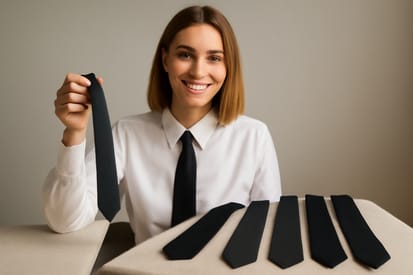
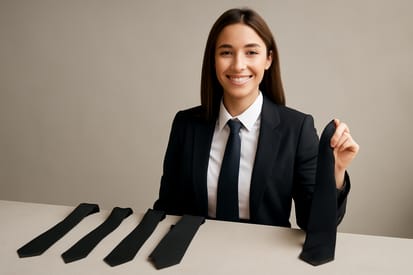
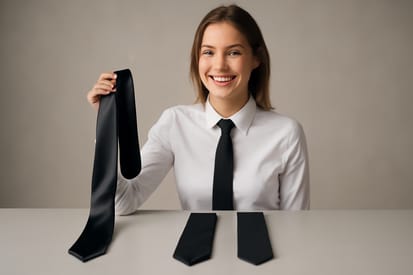
What makes neckties such a useful part of a modern wardrobe?
Neckties remain one of the simplest ways to add structure, polish, and personality to an outfit. They can sharpen office dressing, refine formalwear, and bring focus to tailored looks without requiring a full wardrobe overhaul. For UK shoppers, that flexibility makes them especially useful. A well-chosen tie can work across workwear, events, gifts, and more individual fashion styling.
The appeal of neckties lies in how many variables you can control. Width changes proportion. Fabric changes formality. Colour affects mood and coordination. Knot choice alters the overall finish. Even within one shade, the difference between a matte surface and a silkier finish can completely change how the tie feels with the rest of the outfit.
This matters for several kinds of shoppers. Women choosing ties for office dressing may want a piece that works with shirts and blazers without feeling too rigid. Colour-based buyers often focus on how shades appear under daylight or venue lighting. Non-brand neckwear shoppers may care most about construction, drape, and value rather than labels. Event planners usually need ties that look consistent across a group and still photograph well.
If you want a broad starting point for the category, types of Necktie gives a more focused overview of the main styles, widths, fabrics, and use cases. From there, the key is understanding how each detail shapes wearability, especially when you want one tie to work in more than one setting.
Which types of neckties should you understand first?
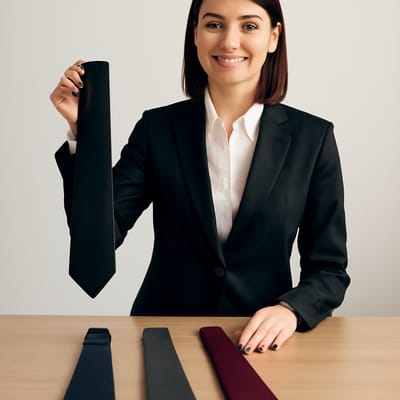
The most helpful way to understand neckties is to begin with the classic forms and then narrow by proportion, finish, and purpose. The core categories are not complicated, but they do affect styling in noticeable ways. A classic necktie is usually the foundation because it suits the widest range of outfits and occasions.
At a practical level, the main differences you will notice are:
- Slim ties, which feel sharper and more fashion-led
- Medium-width ties, which offer the broadest versatility
- Wide ties, which suit stronger tailoring and more traditional balance
- Matte ties, which are generally easier to wear in daytime settings
- Silk or satin-finish ties, which lean more formal
Most shoppers do not need every type. They need the one that fits their real wardrobe. For work, that often means a medium-width tie with a controlled finish. For formal events, a slightly dressier fabric may make more sense. For gifts, it is usually best to choose something neutral and adaptable.
This is also where category browsing becomes useful. Types of Necktie breaks the topic into more specific tie styles and buying considerations, making it easier to decide whether you need a simple all-rounder or something tailored to a particular dress code. Once you understand the main formats, details like width, fabric, and coordination become much easier to judge.
How do width, fabric, and colour affect how a tie looks?
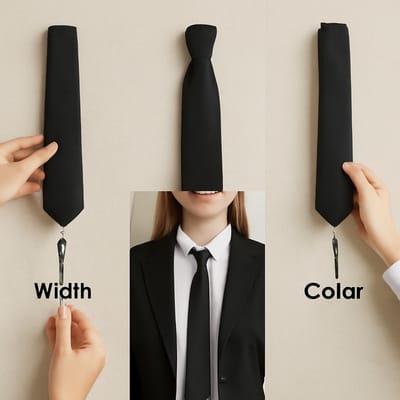
Three factors shape most tie decisions: width, fabric, and colour. Width influences proportion, especially against collars, lapels, and necklines. Fabric affects drape, shine, and how formal the tie feels. Colour determines how easily the tie coordinates with the rest of the outfit and how strong a visual statement it makes.
A few simple principles help:
- Choose width in proportion to the outfit so the tie does not feel too slight or too dominant.
- Use matte or textured finishes for office wear when you want a grounded, easy look.
- Choose silkier finishes for formal outfits when polish and light reflection add value.
- Treat black and other dark tones carefully because finish changes their appearance more than people expect.
For women styling ties, these details are often especially visible because the tie may sit as the central vertical line in a shirt-and-blazer outfit or add contrast to a dress-and-jacket combination. A colour-led shopper may notice that one black tie looks deep and rich while another reads as greyish under indoor lighting. A non-brand shopper may find that an affordable textured tie looks more convincing in daylight than a cheaper glossy one.
These differences are not just technical. They directly affect whether a tie feels easy to wear, too formal, too flat, or unexpectedly versatile. That is why specific topics like black necktie selection, width recommendations, and fabric comparisons deserve closer attention once you know the basics.
What styling and knot choices make neckties easier to wear well?
A tie usually looks best when the styling feels balanced rather than forced. That means matching the tie to the shirt, jacket, neckline, and occasion instead of treating it as a separate statement piece. Solid ties are often the easiest to wear because they coordinate with more shirts and tailoring options, while subtle patterns and textures can add depth without making the outfit difficult to manage.
To make styling easier:
- Pair plain ties with busier shirts for cleaner balance
- Use textured or lightly patterned ties when the rest of the outfit is simple
- Keep office outfits lower in shine and more restrained in contrast
- Let formal outfits carry richer fabrics and more defined knot shapes
Knot choice matters too. A four-in-hand is often enough for everyday wear because it looks neat and slightly relaxed. A more balanced knot can work well for business dressing or occasions where you want a cleaner, more centred finish. The goal is not complexity. It is proportion and consistency.
This is useful for event planners as well as individual shoppers. In group styling, small inconsistencies in knot size, tie length, or sheen are more noticeable than many people expect. For personal wardrobes, getting one or two knots right usually matters more than learning many variations. Over time, styling topics such as pairing black neckties with women's blazers and dresses or choosing the right black tie for office and formal outfits become natural next steps once the basics feel comfortable.
How should UK shoppers buy neckties for work, events, and gifts?
The smartest way to buy neckties is to work backwards from real use. If a tie will mainly be worn to the office, it should be understated, durable, and easy to coordinate. If it is for formal events, a smoother and slightly richer finish may be worth prioritising. If it is a gift, the safest option is usually something classic and versatile rather than highly trend-driven.
When comparing ties, check:
- Use case: office, formalwear, gifting, or a mix of all three
- Width: balanced against collars, lapels, and overall styling
- Fabric: matte for versatility, silkier for a dressier finish
- Construction: straight hang, neat stitching, and good recovery after knotting
- Care requirements: especially important for frequent wear or travel
For non-brand neckwear shoppers, these fundamentals matter more than branding. Good drape, clean finishing, and reliable colour often offer better value than a tie chosen only for presentation. For event planners, consistency across several ties may be more important than buying premium fabrics for every wearer.
If you are exploring the category as a whole, types of Necktie is the best next step for comparing styles in more detail. Once you narrow your choice, topics such as black tie fabric differences, width guidance, and care advice become far more practical and easier to apply.
Why do care and long-term wear matter when choosing a tie?
A tie is not just a one-time styling decision. How it wears over time affects value just as much as how it looks on the first day. A well-made tie should hold its shape, knot cleanly, and recover reasonably well after use. A poor one may twist, crease heavily, or lose its finish quickly. That is why care and longevity should be part of the buying decision from the start.
A few habits make a noticeable difference:
- Untie the knot gently instead of pulling the small end through
- Hang or lay the tie flat to help creases relax naturally
- Keep stains from setting by spot-cleaning quickly and carefully
- Rotate frequently worn ties so one piece is not overused
This matters whether you are buying one tie or several. A black tie used for office wear needs reliable day-to-day durability. A formal tie may be worn less often, but it still benefits from proper storage so the fabric keeps its smooth finish. Event planners handling repeated use across occasions can also reduce replacement costs by choosing practical fabrics and maintaining them properly.
For shoppers building a smaller, smarter wardrobe, longevity is part of versatility. A tie that still hangs well after repeated wear is far more useful than one that only photographs well when new. That is why care and maintenance guidance belongs alongside style and buying advice rather than after it.
Frequently asked questions about neckties
What is the best type of necktie for everyday wear?
A medium-width tie in a matte or low-sheen fabric is usually the best everyday choice. It works well for office outfits, smart casual tailoring, and many gift situations without feeling too formal.
How can colour-based buyers choose the right black necktie?
Check the tie under both natural and indoor lighting if possible. Some black ties read as deep black, while others appear charcoal or blue-black depending on the fabric and surface finish.
Are non-brand neckties worth buying?
Yes, they can be excellent value when the construction, drape, and finish are good. Many non-brand options are practical, versatile, and well suited to regular wear.
What should event planners prioritise when buying ties in quantity?
Consistency should come first. Matching colour tone, width, and sheen across all ties usually matters more than choosing the most expensive fabric.
Is a silk tie always better than a matte tie?
Not always. Silk often works better for formalwear, but matte ties are usually easier to style for office and daytime outfits.
Which tie width is the most versatile?
A medium width is the most versatile for most wardrobes. It suits a wide range of collars, lapels, and dress codes without looking extreme.
Can women wear classic neckties for office and formal outfits?
Yes, absolutely. Classic neckties can work very well with shirts, blazers, waistcoats, and some dress-and-jacket combinations when the proportions and fabric finish are chosen carefully.
Where should I start if I want a more detailed overview of tie styles?
Start with types of Necktie for a clearer breakdown of the main styles, fabrics, widths, and buying considerations. It is the most useful next step once you want more detail than a broad overview provides.