Cufflinks Sets Buying Guide: Weddings & Events 2026
What makes a cufflinks set “wedding-ready” in the UK?
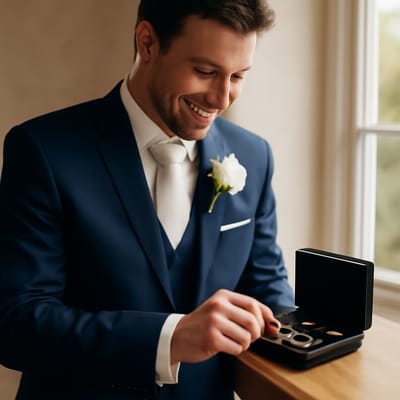
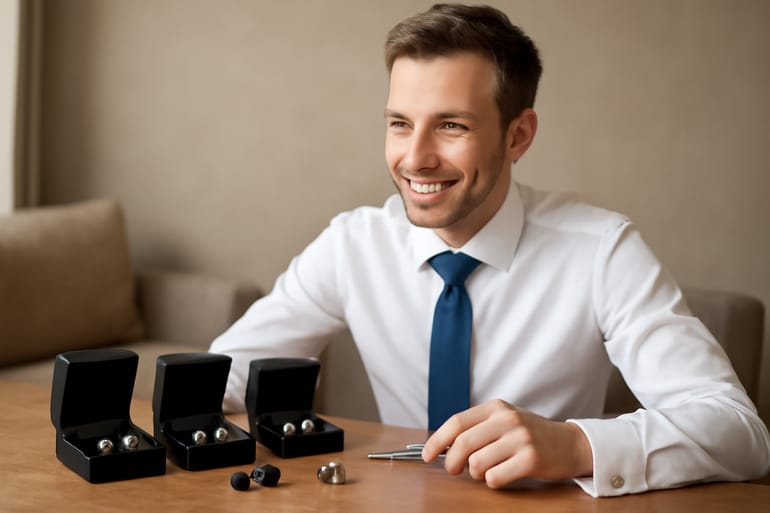
Buying a cufflinks set for a wedding (or any formal event) is less about chasing trends and more about getting the details right: fit, finish, and coordination. A good set typically includes cufflinks and a matching tie clip (sometimes a tie pin), designed to look intentional in photos and feel comfortable from ceremony to last dance.
The quick checklist (before you buy)
- Shirt compatibility: French cuffs need cufflinks; many double cuffs do too. Button cuffs usually don’t.
- Metal tone match: Coordinate with your watch, belt buckle, rings, and—if you’re the groom—wedding band tone.
- Formality level: Black tie, morning suit, and lounge suit each call for slightly different restraint.
- Tie clip purpose: It should hold the tie to the shirt placket, not just decorate it.
Why sets are popular for weddings
A coordinated cufflinks and tie clip set removes guesswork, which matters if you’re shopping under time pressure (or buying for multiple groomsmen). You also reduce the risk of mismatched shades—like a “silver” tie clip that looks warmer than your cufflinks under venue lighting.
If you’re buying for a wedding party, choose one consistent finish across everyone, then let each person personalise with a shirt or tie choice. That keeps the group look cohesive without being overly rigid.
Which tie clip styles look best with cufflinks sets?

Tie clips are small, but they dominate the centre of your outfit—especially in posed photos. The best tie clip styles for weddings and formal events are the ones that look clean, sit correctly, and don’t compete with the rest of your accessories.
Classic tie clip styles (and when to use them)
- Straight bar: The safest option for most grooms and guests—minimal, timeless, and easy to match.
- Slightly tapered bar: Looks a touch more modern while staying formal.
- Engraved/etched bar: Great when you want subtle texture; keep patterns fine for weddings.
- Two-tone bar: Works if you regularly wear mixed metals (e.g., silver watch with gold wedding band), but keep it understated.
Fit rules that stop it looking “off”
- Length: Aim for about 70–80% of the tie’s width. Too short looks accidental; too long looks bulky.
- Placement: Between the 3rd and 4th shirt buttons (roughly mid-chest).
- Function: Clip the tie and the shirt placket together so the tie doesn’t swing.
Wedding party tip
If you’re choosing sets for groomsmen, pick a simple bar style and let personalisation happen via engraving (initials/date) rather than flashy shapes. It reads more premium and stays wearable after the wedding.
Materials and finishes: what looks premium (and photographs well)?

Most disappointment with a cufflinks set comes down to finish quality. Under daylight, venue LEDs, and camera flash, cheaper plating can look dull or overly yellow. Knowing the common materials helps you buy confidently—especially online.
Common materials (UK-friendly, brand-neutral)
- Stainless steel: Durable, good for daily wear, often a strong value choice.
- Brass with plating: Very common; quality depends on plating thickness and polish.
- Sterling silver: A classic premium feel and weight; tends to age well if cared for.
Finishes that suit weddings and formal events
- Polished silver-tone: Bright, traditional, and easy to match with most watches.
- Brushed/matte: More understated; reduces glare in photos.
- Gunmetal: Modern and sleek; best with darker suits and cooler colour palettes.
- Gold-tone: Works well with warm palettes (navy, brown, cream), but match it carefully with other metals.
Small details that signal quality
- Cufflink mechanism: A smooth swivel bar that feels firm (not loose) is a good sign.
- Edges and engraving: Crisp edges and clean lines look sharper close-up.
- Colour consistency: The tie clip and cufflinks should be the same tone—especially in “silver-tone” sets where warmth varies.
If you’re shopping for gifting, prioritise a finish that’s versatile (polished or brushed silver-tone) unless you know the wearer’s watch/metal preferences. Versatility is what keeps a set from becoming a one-time wedding accessory.
How to choose a cufflinks set for grooms, guests, and gifts
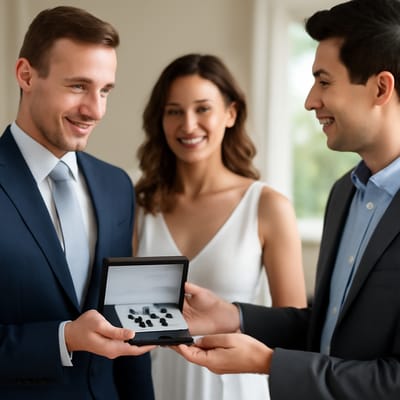
A great cufflinks set isn’t “one-size-fits-all.” Your role at the event—and who you’re buying for—should drive the choice.
Groom: coordinated, timeless, and personal
- Choose a classic metal tone that matches your watch and (ideally) your wedding band.
- Add meaning with engraving (initials, date) rather than loud novelty designs.
- If you’re wearing a waistcoat, ensure the tie clip still sits neatly and isn’t pushed too high.
Guest: polished, not attention-grabbing
- Stick to minimal shapes and neutral finishes.
- Avoid highly reflective gold-tone if you’ll be under strong lighting and wearing light shirts.
Groomsmen: uniform look, easy sizing
- Pick the same finish and tie clip style for everyone.
- Keep designs simple so they suit different ages and suit cuts.
Gift buyers: focus on compatibility and packaging
Look for sets with:
- A presentation box (makes gifting effortless)
- A versatile finish (silver-tone is the easiest win)
- A tie clip length that suits modern ties (mid-width is common)
Conversion-friendly next step
If you’re building a wedding party look, save time by browsing cufflinks and tie clip sets by finish first (silver-tone, brushed, gunmetal, gold-tone), then narrow by style. If you’d like, sign up to a newsletter for seasonal promotions and wedding-season bundles—useful when you’re buying multiple sets at once.
Häufig gestellte Fragen
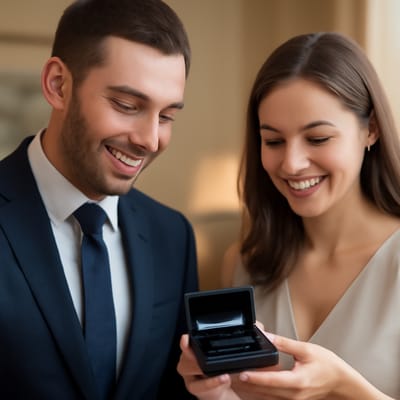
Do cufflinks sets usually include a tie clip?
Many do, but not all. Check the product contents carefully—some “sets” include cufflinks only, while others add a tie clip and sometimes a lapel pin.
Where should a tie clip sit for a wedding?
Place it between the 3rd and 4th shirt buttons, clipping the tie to the shirt placket. This keeps the tie secure and looks balanced in photos.
Are brushed or polished finishes better for formal events?
Polished finishes look traditional and bright, while brushed finishes look understated and reduce glare. For weddings, either works—choose based on your suit tone and other metal accessories.
Can I wear a tie clip with a waistcoat?
Yes, but it’s optional because the waistcoat helps hold the tie in place. If you wear one, keep it slightly higher so it’s visible and doesn’t catch on the waistcoat.
What’s the safest metal tone to match most outfits?
Silver-tone (polished or brushed) is the most versatile with common watch colours and suit shades. It’s also a strong choice when you’re gifting and don’t know preferences.
Are cufflinks sets a good gift for groomsmen?
They’re a popular choice because they’re practical and create a coordinated look. Choose a consistent finish for everyone and consider subtle engraving for a personal touch.
How do I know if my shirt needs cufflinks?
If your shirt has French/double cuffs with holes on both sides (no buttons), you’ll need cufflinks. If it has sewn-on buttons, cufflinks usually aren’t required.
How should I care for cufflinks and tie clips after the event?
Wipe them with a soft cloth after wear to remove oils and moisture, then store them in a box or pouch. Keep plated pieces away from harsh chemicals and excessive humidity.