Tie Accessories Guide: Clips, Pins & Sets 2026
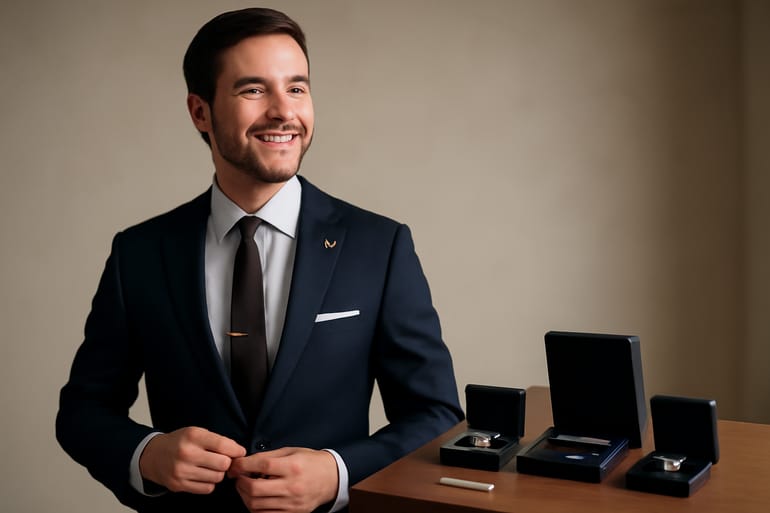
What tie accessories do you actually need (and why)?

Tie accessories can feel like a rabbit hole—tie clips, tie pins, lapel pins, collar bars, and “matching sets” all promise a sharper look, but not all of them are right for your outfit (or the occasion). This hub pulls everything together so you can choose confidently—especially if you’re shopping non-brand options in the UK.
The core neckwear accessories (quick overview)
- Tie clip (tie bar): A spring clip that holds your tie to your shirt placket. Best for modern officewear and weddings.
- Tie pin / tie tack: A pin that goes through the tie (often with a chain). More traditional; better for sturdier ties.
- Lapel pin: Sits on the jacket lapel (not the tie), but often coordinated with your tie accessories.
- Coordinated sets: Usually tie clip + cufflinks (sometimes with a lapel pin). Great for event dressing and gifting.
Why this matters for UK shoppers
If you’re buying in the UK, you’ll see a wide spread in quality—from “looks fine online” to “bends on first wear.” The good news: you can get excellent results without paying for a label by focusing on materials, finish quality, sizing, and secure fasteners.
If you want a fast starting point, browse the essential deep-dives:
- Tie clip shapes and silhouettes: Tie Clips: Styles
- What metals actually hold up: Tie Clip Materials UK Guide
Stay tuned for our upcoming guide on UK Market Trends in Men’s Neck Accessories.
Tie clips, tie pins and finishes: what’s the real difference?

The biggest pain point most buyers run into is simple: the accessory looks great in a product photo, then feels flimsy, scratches easily, or doesn’t sit straight. Getting the “right” tie clip (or pin) is less about hype and more about understanding type + material + finish.
Tie clip vs tie pin: when to choose each
- Choose a tie clip if you want a clean line, quick on/off, and no holes in the tie. It’s the everyday pick for work, weddings, and events.
- Choose a tie pin/tack if you’re wearing a heavier tie fabric or going for a traditional look. It pierces the tie, so it’s more “committed.”
Materials that affect weight, grip, and longevity
Most non-brand options are metal alloys with plating, but the details matter: thickness, hinge spring strength, and whether edges are properly finished. For UK buyers, the most useful breakdown is here:
Finishes: how to avoid scratches and cheap-looking shine
Finish is what people notice up close. A finish that’s too glossy can look costume-like; a poor plating job can flake. If you’re deciding between brushed, polished, matte, or plated looks, use:
Practical buying checkpoints (fast)
- Length: A tie clip should typically span about 70–80% of your tie’s width.
- Grip: The spring should feel firm; if it slides on a shirt placket, it’ll slide during wear.
- Edges: Look for smooth corners—sharp edges can snag silk.
Stay tuned for our upcoming guide on Customizable Tie Clips: Personalization Options.
Can you wear a lapel pin on a tie—and what’s the etiquette?

This is where a lot of styling confusion happens: people love the idea of a “lapel pin on tie” look, but the rules are different depending on what you’re actually wearing.
Lapel pin vs tie pin: don’t mix up the placement
- A lapel pin is designed for the jacket lapel buttonhole area (or pinned through the lapel).
- A tie pin/tack is designed for the tie itself.
Putting a lapel pin through a tie can damage delicate fabrics and often sits awkwardly because lapel pins aren’t balanced for tie movement. If your goal is to add detail to the tie area, pick a proper tie tack instead.
When lapel pins do make sense
Lapel pins are ideal when you:
- Want personality without touching the tie fabric
- Are wearing a plain tie and want a small focal point
- Need a wedding/event detail that matches a theme (colour, motif)
How to coordinate without overdoing it
The easiest way to avoid looking “too matched” is to coordinate finish and tone, not identical patterns.
- Warm metals (gold-tone) with warm palettes
- Cool metals (silver-tone) with cool palettes
- One statement piece at a time: if your lapel pin is bold, keep the tie clip simple
For a clean, modern result, many shoppers prefer coordinated sets—especially for weddings and formal events:
How do you coordinate tie clips, cufflinks and lapel styles?

Coordination is where sets shine—but it’s also where people get stuck. The common pain point: you buy a tie clip and cufflinks set, then realise it clashes with your jacket lapels, shirt details, or the formality of the event.
Start with the “metal family”
A coordinated set looks intentional when the metals sit in the same family:
- Silver-tone with white shirts, grey/navy suits, cool ties
- Gold-tone with cream shirts, brown/tan tones, warm ties
- Matte/brushed finishes for understated looks; polished finishes for formal shine
Match to lapel style (yes, it matters)
Your lapel creates the visual frame for accessories. If you wear slimmer lapels, chunky accessories can look out of scale. For a sharper match, use this dedicated guide:
When a set is the right choice
Choose a tie clip and cufflinks set when:
- You’re dressing for a wedding, black-tie optional event, or a big presentation
- You want a “no guesswork” gift
- You’re coordinating a group (groomsmen)
If you’re planning wedding party accessories, you’ll save time by working from one plan:
Quick coordination checklist
- Tie clip width suits tie width (avoid oversize)
- Cufflinks shape complements shirt cuff style
- Only one patterned metal element (engraving, texture) at a time
Stay tuned for our upcoming guide on Choosing Tie Clips for Different Shirt Cuffs.
UK non-brand options: how to spot value (and avoid regret)

Non-brand doesn’t have to mean low quality—but you do need a better filter than “looks nice.” The pain point here is wasted spend: cheap accessories that bend, lose plating, or arrive mismatched in colour.
What “good value” looks like in practice
Look for:
- Solid-feeling metal with clean machining (no rough seams)
- A consistent finish (no patchy plating)
- A strong clip spring (for tie clips) or secure backings (for pins)
- Product photos that show the clasp/hinge and back view—not just the front
Budget vs mid-range vs premium: what changes?
- Budget-friendly: Often thinner metal and lighter springs; good for occasional wear if finish is decent.
- Mid-range: Better hinge tension, more consistent plating, smoother edges; ideal for frequent wear.
- Premium features (even in non-brand ranges): thicker gauge, refined finishing, better resistance to micro-scratches.
If price is a key concern, this guide helps you weigh value against build quality:
Where buying guides save you money
If you’re shopping for a formal event, a set can be a smarter purchase than separate items—especially when you need everything to match under indoor lighting.
Lead magnet idea: wedding party planning
If you’re coordinating a group, create one “approved” look and stick to it. For discounts and wedding party planning tips, consider joining our newsletter for seasonal promotions and planning reminders.
Care, maintenance and gifting: keep accessories looking new
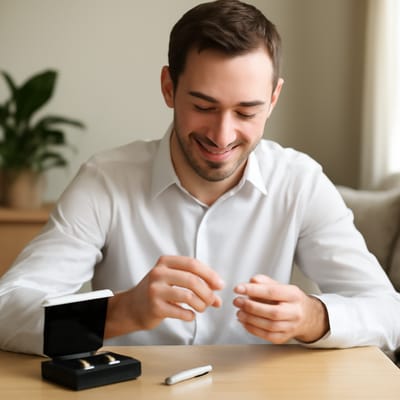
Even great accessories can look tired fast if you treat them like loose change. Scratches, tarnish, bent clips, and missing backings are the most common reasons people replace tie accessories earlier than they should.
Simple care that prevents 90% of problems
- Store tie clips and cufflinks in a lined box or separated pouch (metal-on-metal contact causes scratches).
- Wipe after wear with a soft cloth—especially if you used fragrance or hair product.
- Keep plated finishes away from harsh cleaners; mild soap and water is usually enough.
For a step-by-step maintenance routine (plus what to do if a clip feels loose), use:
Buying as a gift: what recipients actually use
Gift buyers often worry about “getting the style wrong.” The easiest win is choosing neutral finishes and classic shapes, or a coordinated set that works with multiple suit colours.
Great gifting routes:
- For birthdays and graduations: classic tie clip + understated cufflinks
- For weddings: coordinated sets with a consistent finish
- For someone who already owns accessories: upgrade the finish quality and add a storage box
If you need ideas by budget and occasion:
Häufig gestellte Fragen

What is the difference between a tie clip and a tie bar?
In most shops, the terms are used interchangeably. “Tie bar” often refers to a simple, straight spring clip design, while “tie clip” is the broader category.
Where should a tie clip be placed?
A tie clip typically sits between the third and fourth shirt buttons, clipping the tie to the shirt placket. The goal is to keep the tie stable without pulling it sideways.
How long should a tie clip be?
A good rule is about 70–80% of your tie’s width. Too short looks accidental; too long can extend past the tie and look sloppy.
Can I wear a lapel pin and a tie clip together?
Yes—keep one of them subtle so the look doesn’t get busy. Matching metal tone (silver-tone with silver-tone, etc.) is usually enough coordination.
Are non-brand tie clips worth buying in the UK?
They can be, especially if you focus on hinge strength, smooth edges, and consistent plating. Avoid ultra-thin metal and listings that hide the clasp or back view.
What’s the easiest tie clip and cufflinks set to gift?
Choose a classic shape with a neutral finish (often silver-tone) and minimal patterning. Coordinated sets are safer than mixing separate pieces, because colour and shine match.
How do I stop a tie clip from sliding?
Make sure you’re clipping both the tie and the shirt placket, not just the tie fabric. If it still slips, the spring tension may be too weak for the fabric weight.
How do I clean a plated tie clip without damaging it?
Use a soft cloth after each wear and occasional mild soap and water. Avoid abrasive polishes and harsh chemicals, which can wear through plating over time.
Explore Tie Accessories Authority
- Tie Clips: Styles
- Materials
- and Finishes Guide
- Cufflinks Sets Buying Guide for Weddings and Formal Events
- How to Match Tie Clips with Cufflinks for Different Lapel Styles
- Gift Ideas: Tie Clips and Cufflinks Sets for Men
- Care and Maintenance for Tie Clips and Cufflinks
- Budget-Friendly Tie Clips: Value vs Quality
- Groomsmen Gift Planning: Coordinating Tie Clips and Cufflinks