Neckties: Types, Fabrics & Features Guide 2026
Breadcrumb
Neckties: types, fabrics & features—where should you start?
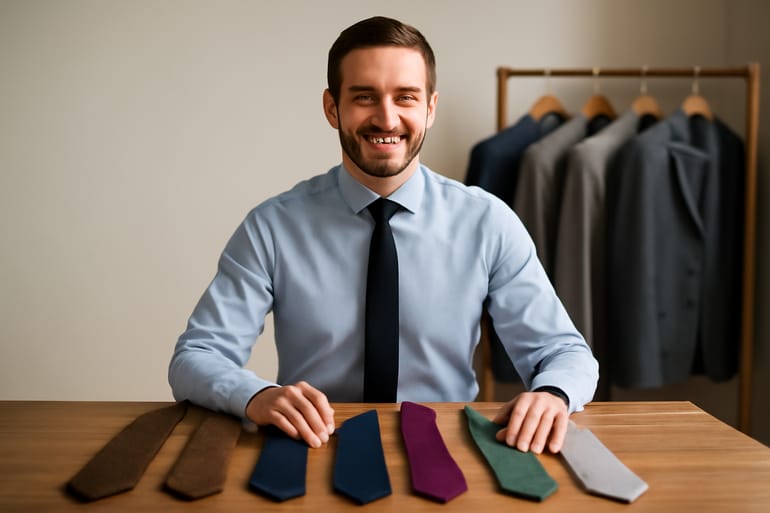
Buying neckties sounds simple until you hit the real questions: Which necktie types exist, what fabric actually looks “proper” in the UK, and how do you avoid a tie that’s too short, too shiny, or awkward for the occasion?
This guide is your practical hub for choosing non-brand neckwear confidently. You’ll learn:
- The main types of neckties (and what makes each feel formal or casual)
- How fabrics and texture change drape, shine, and knot shape
- A simple buying checklist for quality and value
- How to get sizing and fit right (length, width, and collar compatibility)
- Occasion rules for business, weddings, and formal events
- Easy care and maintenance so your ties last
The goal isn’t to overthink it—it’s to help you build a small rotation that works for real life: commuting, meetings, interviews, and the occasional big event.
What are the main necktie types (and what do they signal)?

Choosing neckwear is often about signalling the right level of formality. In the UK, a few classic options cover almost everything you’ll be invited to.
The core types you’ll see most
- Classic necktie: The default for business and most formal events. Easy to coordinate and widely accepted.
- Slim tie: A narrower variation that reads more modern. Best with slimmer lapels and sharper silhouettes.
- Knit tie: Textured and slightly more relaxed. Great for smart-casual offices or less formal suits.
- Bow tie: The obvious choice for black tie and some formal functions, but it can also be a style statement.
- Cravat: Traditional formal daywear, often seen at weddings—especially with waistcoats.
How to avoid the most common “wrong tie” moment
If the invitation is vague (e.g., “smart”), a classic necktie in a conservative fabric is the safest option. Bow ties and cravats can look fantastic, but they’re more context-dependent—ideal when the event clearly supports them.
A simple rule that helps
- Necktie = versatile, business-first
- Bow tie = black tie or deliberate statement
- Cravat = traditional wedding/daywear energy
If you’re building your wardrobe from scratch, start with neckties, then add a bow tie or cravat only when you know you’ll wear it.
Which tie fabrics and textures look best (and why do some look cheap)?

Fabric is what makes a tie look elegant—or instantly “off.” The pain point for non-brand shoppers is that photos don’t always reveal shine, texture, or drape, which are exactly the things that change how formal a tie feels.
Common tie fabrics (what to expect)
- Silk: The classic choice for business and formal. It drapes well and forms a clean knot.
- Polyester: Can be good value, but watch for overly high shine that reads costume-like.
- Silk blends: Often a practical middle ground—some of the look of silk with easier care.
- Wool: Matte and textured; great for autumn/winter tailoring and smart-casual offices.
- Cotton/linen: More summery and relaxed; best for daylight events and casual suiting.
Texture and weave: the hidden “quality tell”
A good tie usually has a balanced texture that looks intentional, not plastic. When shopping online, look for descriptions like “woven,” “jacquard,” “grenadine-style texture,” or “matte finish.” Avoid listings that only say “shiny” with no fabric detail.
Quick fabric matching tips
- For interviews and corporate settings: silk or matte silk-blend.
- For smart-casual: knit, wool, or textured weaves.
- For weddings: silk, silk-blend, or tasteful texture (depending on dress code).
If you’re unsure, choose a mid-sheen finish; it’s easier to wear across occasions.
How to buy a good non-brand tie: a practical checklist

Without brand cues, you need a quick way to judge whether a tie will sit well, knot neatly, and last. This checklist focuses on what you can actually verify from a product page.
The non-brand necktie checklist
- Fabric composition is stated (e.g., 100% silk, silk blend, wool blend). If it’s missing, treat it cautiously.
- Dimensions are listed: length and width. “One size” without measurements is risky.
- Finish matches the occasion: avoid ultra-glossy finishes for business settings.
- Colour is versatile: navy, deep burgundy, charcoal, dark green, and subtle patterns are easy wins.
- Pattern scale makes sense: small patterns read more formal; large patterns dominate photos.
- Return policy is clear: ties are hard to judge from screens—returns matter.
Price bands (what you’re paying for)
- Budget: great for experimenting with colours/patterns, but pay attention to shine and stitching.
- Mid-range: typically better drape and more reliable construction.
- Premium: often superior fabric hand-feel and knot shape—worth it for your most-used “core” ties.
A simple way to build a starter rotation
Start with two neckties: one solid or near-solid for interviews, and one subtle pattern for everyday business. Add seasonal textures (knit/wool) once your basics are covered.
Sizing, fit, and knot styles: how to make a tie look intentional

Even an expensive-looking tie can look wrong if the proportions are off. The most common pain points are ties that are too short, knots that look bulky, and widths that fight the jacket lapel.
Tie length: the “finished line” you’re aiming for
A classic necktie typically looks best when the tip lands around the top of your belt buckle. If you’re tall, broad-chested, or prefer larger knots, consider longer ties so you’re not constantly adjusting.
Tie width: match it to your jacket and frame
- Slim ties pair well with narrow lapels and modern cuts.
- Mid-width ties are the safest all-rounders for most suits.
Knot selection (practical, not fussy)
Different knots change the size and shape at the collar:
- Smaller knots suit thicker fabrics and smaller collars.
- Larger knots can balance wider collars, but can look bulky in stiff fabrics.
Collar and knot compatibility
If your shirt collar is narrow, avoid huge knots that crowd the space. If you wear spread collars, a fuller knot can look balanced.
Once your length and width are right, everything else—colour, pattern, even budget—tends to look better.
Occasion styling + care: keep ties sharp in the UK rotation
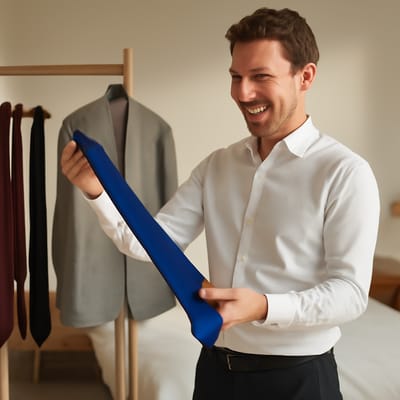
A tie that’s perfect on day one can look tired fast if it’s stored badly or constantly exposed to rain, sweat, and commuter life. The good news: a few habits keep your ties looking crisp.
Occasion-based styling (quick UK cheat sheet)
- Interviews: conservative colour, minimal pattern, tidy knot.
- Everyday business: subtle pattern or texture, coordinated with shirt and suit.
- Weddings: consider the party’s formality; avoid clashing with the wedding palette.
- Black tie: bow tie territory—keep it clean and classic.
Colour coordination that rarely fails
- Match your tie to the darkest item you’re wearing (often the suit).
- Use the shirt as contrast (light shirt, darker tie is easiest).
- Repeat one colour from a tie pattern somewhere small (pocket square, socks) if you want polish.
Care and maintenance basics
- Untie after wear to prevent permanent creases.
- Hang or roll ties loosely; don’t crush them in a drawer.
- Spot-clean carefully and consider professional cleaning for delicate fabrics.
Want a simple one-page tie checklist?
Sign up to a newsletter-style fashion digest and get a printable “Tie Fit & Fabric” checklist you can use before buying—ideal when you’re shopping non-brand listings and need quick certainty.
Frequently Asked Questions

What’s the difference between a necktie, bow tie, and cravat?
A necktie is the long, standard option for business and most formal events. A bow tie is tied into a bow and is common for black tie or statement dressing. A cravat is wrapped and arranged at the front and is most associated with weddings and traditional formal daywear.
What tie fabric looks best for work in the UK?
Silk or a matte silk-blend is the safest choice for business because it drapes well and looks refined. Avoid very high-shine ties, which can read as cheap under office lighting.
How long should a necktie be?
As a rule, the tip of the tie should finish around the top of your belt buckle. If you’re tall or use larger knots, consider longer lengths so the tie doesn’t sit too high.
Are slim ties still appropriate for formal events?
They can be, as long as the overall outfit is modern and the tie width matches the lapels. For very traditional formal events, a mid-width tie is usually the safer choice.
How do I know if a tie will look “too shiny” online?
Check the fabric composition and product description for finish terms like “high sheen” or “satin.” If photos show strong glare and the listing doesn’t specify a quality weave, it’s a warning sign.
Can I wear a bow tie without a tuxedo?
Yes—bow ties can work with suits, especially for weddings or creative dress codes. Keep the colour classic and the scale proportionate to your collar to avoid looking costume-like.
What’s the best way to store ties to prevent wrinkles?
Untie them after wearing and hang them or roll them loosely. Avoid tight folds or stuffing them into a drawer, which creates permanent creases.