Necktie vs Bow Tie vs Cravat: Guide for UK Style 2026

Breadcrumb
Home > Neckties - Types & Features > Product Types > Necktie
Necktie vs bow tie vs cravat: which one do you actually need?

If you’re staring at a dress code and wondering whether a necktie, bow tie, or cravat is the “right” choice, you’re not alone. These three neckwear types can all look formal, but they behave very differently in fit, formality, and ease of wear.
Quick definitions (plain English)
- Necktie: The long, straight tie most people wear to the office—versatile and the safest choice for business and formal events.
- Bow tie: A shorter tie tied into a bow—more distinctive, often associated with black tie, hospitality uniforms, and statement dressing.
- Cravat: A broader neckwear style worn around the neck and arranged at the front—classic for weddings and traditional formal daywear.
The biggest pain point: getting the vibe wrong
In the UK, neckwear can signal how seriously you’re taking the occasion. A necktie can look understated and professional, a bow tie can look celebratory or strict (black tie), and a cravat can look wedding-traditional. Once you know the differences, picking the right one becomes much easier—and you can shop non-brand options confidently based on fabric, shape, and finish rather than labels.
What is a necktie—and when is it the safest choice?

A necktie is the everyday workhorse: it’s easy to match, widely accepted, and comes in the broadest range of widths, fabrics, and patterns. If your main worry is “I don’t want to stick out,” the necktie is usually the safest answer.
Where a necktie fits best (UK-focused)
- Business and interviews: The standard option with a suit and collared shirt.
- Weddings (guest): Almost always appropriate unless the invitation specifies black tie.
- Formal dinners and events: Works for most “formal” or “smart” dress codes.
Practical features to look for (non-brand shopping)
Length & fit matter more than brand:
- The tip should typically reach the top of your belt buckle.
- If you’re tall or broad-chested, look for extra-long options to avoid a tie that sits too high.
Width affects the overall look:
- Slimmer ties feel more modern.
- Mid-width ties are versatile and easiest to pair with most lapels.
Fabric cues
- Silk looks crisp and formal with a clean knot.
- Textured weaves (like grenadine-style textures or wool blends) read slightly more relaxed and can be great for business-casual.
If you’re building one “do-it-all” setup, start with a necktie in a solid or subtle pattern. It gives you maximum mileage across office, formal, and social events.
Bow tie basics: formal classic or quirky mistake?

A bow tie is instantly noticeable, which is both its strength and the main reason people avoid it. The key is matching it to the dress code and choosing the right shape.
When a bow tie is the right call
- Black tie events: A bow tie is the expected choice.
- Formal uniforms: Common in hospitality and some ceremonial roles.
- Weddings (style-led): Works well if you’re going for a polished, slightly playful look.
Pre-tied vs self-tie (the real-life trade-off)
- Self-tie bow ties look a bit more natural and relaxed at the edges.
- Pre-tied bow ties are quick and consistent—useful if you’re nervous about tying or you need it perfect all night.
Shape and proportion tips
A bow tie should suit your face and collar:
- Wider faces often suit a slightly wider bow.
- Smaller collars and slimmer frames can look better with a more compact bow.
Fabric matters more than you think
- Smooth, shiny fabrics read more formal.
- Textured fabrics feel more daytime or creative.
Common pitfall: wearing a bold novelty bow tie at an event that’s meant to be conservative. If you’re unsure, choose a classic colour and a clean finish, then let the bow tie do the talking without shouting.
Cravat explained: what it is, how it sits, and when it works

A cravat sits closer to the neck than a necktie and creates a fuller, more layered look at the front of the shirt. In the UK, cravats are strongly associated with weddings and traditional formal daywear—so the biggest challenge is wearing one without looking like you’re in costume.
When a cravat makes sense
- Weddings (especially as groom or in the wedding party): A cravat can look intentional and classic.
- Formal daywear: Often paired with waistcoats and structured tailoring.
How a cravat is worn (in simple terms)
Instead of hanging straight down like a necktie, the cravat is wrapped and arranged so it forms a neat front “panel” at the chest. It’s usually secured with:
- A tie pin or cravat pin (optional but practical), or
- The structure of the wrap itself plus the waistcoat.
Shopping cues for non-brand cravats
- Look for enough width to create folds without bunching.
- Choose a fabric that holds shape (often smoother weaves work well).
- Consider pattern scale: small patterns can look refined; oversized patterns can dominate a wedding outfit in photos.
If your goal is maximum versatility, a necktie wins. But if you want a wedding look that feels deliberately traditional, a cravat can be the right finishing touch—especially with a waistcoat.
How to choose between them (plus a simple UK dress-code cheat sheet)
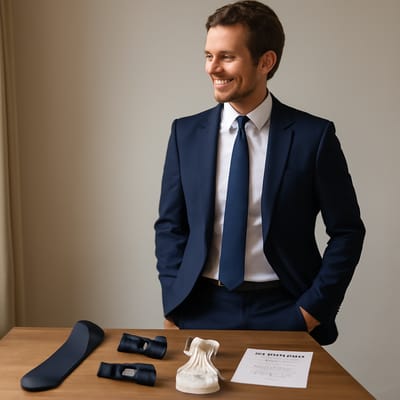
When choosing between a necktie vs bow tie vs cravat, focus on three things: the dress code, how much attention you want, and how comfortable you are wearing it for hours.
1) Start with the dress code
- Business / office: Necktie first.
- Black tie: Bow tie.
- Wedding party / formal daywear: Cravat or necktie depending on the look.
2) Decide the “attention level” you want
- Low attention (safe, classic): necktie.
- Medium to high attention (distinctive): bow tie.
- Traditional statement (wedding/formal day): cravat.
3) Think about comfort and practicality
- Neckties are easiest to adjust quickly.
- Bow ties stay compact and don’t swing around (nice for dinner).
- Cravats can feel warm or bulky if the fabric is thick.
A simple buying tip (without brands)
Spend on the things that change how it looks on you:
- Better fabric drapes and knots more cleanly.
- Better construction keeps shape and reduces twisting.
If you want a quick next step, keep a small “core” collection: one neutral necktie for business, one bow tie for formal events, and a wedding-ready cravat only if you’ll genuinely wear it.
Optional next step: if you’re building a capsule, look for retailer listings that clearly state length/width and fabric composition—those details matter more than the label.
Frequently Asked Questions

Is a cravat more formal than a necktie?
Not always—cravats are more traditional and are most common in formal daywear and weddings. A necktie can be equally formal depending on fabric and how it’s styled.
Can you wear a bow tie to a wedding in the UK?
Yes, especially if the wedding is formal or the look is style-led. If the invitation says black tie, a bow tie is the expected choice.
What’s the easiest neckwear for beginners?
A necktie is usually easiest because it’s forgiving and adjustable. If you want a bow tie without learning to tie it, a well-fitting pre-tied option can work.
Do cravats need a pin?
A pin is optional, but it can help keep the cravat neat and secure—especially during long events. If you’re wearing a waistcoat, it also helps hold everything in place.
Which fabric looks most formal: silk, polyester, or blends?
Silk typically looks the most formal due to its sheen and drape. Blends can look great too, but check that the fabric holds a clean shape and doesn’t look overly shiny.
How do I avoid looking overdressed in a bow tie?
Keep the colour classic and the fabric appropriate for the event, and make sure the bow size matches your collar and face. Avoid loud novelty patterns unless the dress code is clearly playful.
Can I wear a cravat with a normal suit?
You can, but it’s easiest to pull off with a waistcoat or more formal daywear styling. With a standard business suit, a necktie often looks more natural.