Product Types: Neckwear Options Guide for UK Style 2026

Breadcrumb
Product types: what neckwear options should you know first?
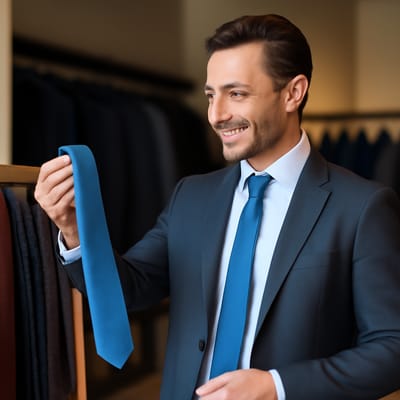
“Product types” sounds broad, but in practice you’re usually trying to solve one problem: picking the right neckwear for the occasion without overbuying. If you shop non-brand, that can feel harder—there’s no familiar label to guide you, so you’re relying on photos and short descriptions.
This category page gives you a clear overview of the main neckwear product types you’ll come across in the UK, how they differ, and what to look for when buying.
The big three to understand
- Neckties: the default for business, interviews, and most formal events.
- Bow ties: essential for black tie and a strong style statement elsewhere.
- Cravats: traditional formal daywear, commonly seen at weddings.
What you’ll gain from this overview
- How each type signals formality
- Which fabrics and finishes look refined vs overly shiny
- Fit basics (length, width, collar compatibility)
- Care habits that keep neckwear looking new
If you only remember one thing: start with the product type that matches your most frequent events (usually the necktie), then expand into bow ties or cravats when you know you’ll wear them.
Neckties: the most versatile product type for work and events

A necktie is the workhorse product type: it’s widely accepted, easy to coordinate, and available in the broadest range of fabrics and patterns. For most UK wardrobes, it’s the first neckwear you’ll reach for.
When a necktie is the right choice
- Office and business meetings: the most “normal” option.
- Interviews: communicates polish without trying too hard.
- Weddings (most dress codes): safe unless the invite specifies black tie.
Key features to compare (brand-free)
- Length: aim for the tip to finish around the top of your belt buckle.
- Width: mid-width is the safest all-rounder; slim ties feel more modern.
- Finish: avoid extreme shine for conservative settings.
Fabric quick guide
- Silk reads crisp and formal.
- Textured weaves can look more relaxed and work well in smart-casual offices.
If you’re building a small rotation, start with a solid or near-solid colour and one subtle pattern. These two cover most situations without needing a large collection.
Bow ties: when they’re essential (and when they look out of place)

A bow tie is a distinct product type because it’s instantly noticeable. That’s great when the dress code calls for it—and risky when the event is conservative.
The clearest “yes” moments
- Black tie: a bow tie is the expected choice.
- Formal service roles: common in hospitality and uniforms.
Practical choices that matter
- Pre-tied vs self-tie: pre-tied is consistent and quick; self-tie looks a touch more natural.
- Size/proportion: the bow should suit your collar and face; too large can look comedic, too small can look fussy.
Fabric and finish tips
- Smooth, structured fabrics read more formal.
- Textured fabrics feel more daytime or creative.
Common pitfall: novelty patterns at serious events. If you’re unsure, choose a classic colour and let the bow tie be the statement through shape, not loud print.
Cravats and formal daywear: a traditional product type for weddings

A cravat is a traditional product type that sits closer to the neck and creates a fuller look at the front of the shirt. In the UK it’s most commonly associated with weddings and formal daywear.
When a cravat works best
- Grooms and wedding parties: looks intentional and classic.
- Formal daywear outfits: often paired with waistcoats.
What to look for when buying
- Enough width to form tidy folds without bunching.
- A fabric that holds shape and doesn’t collapse during the day.
- Patterns that won’t dominate photos (small, refined motifs are easiest).
Wearing comfort matters
Cravats can feel warmer and bulkier than neckties, especially in heavier fabrics. If you’re attending an all-day event, choose breathable fabrics and make sure the collar area doesn’t feel tight.
If you’re not sure you’ll re-wear it, you may get more value from a versatile necktie instead—unless the outfit specifically calls for a cravat.
Fabrics, fit, and care: the features that apply to every product type

Once you’ve chosen a neckwear product type, the “make or break” factors are almost always fabric, fit, and care. These are also the areas where non-brand shopping can go wrong.
Fabric: avoid the cheap-looking shine
A tie can look inexpensive if it has a plasticky sheen. Look for clear fabric info (silk, blends, wool, cotton/linen) and terms like “woven” or “matte finish” rather than vague “shiny” descriptions.
Fit: make it look intentional
- Length (neckties): aim for belt-buckle level.
- Width (neckties): match your lapels and frame.
- Proportion (bow ties): match your collar size and face shape.
Care: prevent creases and early wear
- Untie after wearing and store loosely (hang or roll).
- Keep away from heavy moisture; spot-clean carefully.
- Rotate your neckwear so the same piece isn’t worn back-to-back.
Want a simple buying checklist?
If you like practical wardrobe tips, a newsletter-style checklist can help you compare listings quickly—especially when you’re deciding between fabrics and finishes online.
Frequently Asked Questions

What are the main neckwear product types?
The most common product types are neckties, bow ties, and cravats. Neckties are the standard for business and most formal events, bow ties are essential for black tie, and cravats are traditional for formal daywear and weddings.
Which product type should I buy first?
For most people, a classic necktie is the best first purchase because it works for workwear, interviews, and many events. Add a bow tie for black tie or a cravat for traditional wedding outfits when needed.
How can I tell if a tie will look cheap online?
Overly shiny fabric and missing material details are common warning signs. Look for clear fabric composition and a finish described as woven, textured, or matte rather than high sheen.
Are bow ties only for black tie?
No, but black tie is the clearest use case. Outside black tie, keep the bow tie colour and fabric conservative if the event is formal, and avoid novelty patterns for serious settings.
When is a cravat appropriate in the UK?
Cravats are most common at weddings and in formal daywear, especially with waistcoats. They can look out of place in standard business settings, where a necktie is usually more natural.
How do I choose the right necktie length and width?
A necktie should typically finish around the top of your belt buckle. Mid-width ties are the most versatile; slimmer ties suit modern cuts and narrower lapels.
What’s the best way to store neckwear?
Untie it after wearing and hang it or roll it loosely to prevent creases. Avoid crushing neckwear in drawers or tightly folding it for long periods.