Necktie Width for Black Tie: How to Choose in 2026

Breadcrumb
Why does necktie width matter so much at black-tie events?
Choosing the right necktie width for a black-tie look is mostly about proportion. Even when the outfit is simple, people notice when the tie looks too skinny, too wide, or out of step with the jacket. For most formalwear shoppers, the goal is not to make the tie stand out on its own. It is to create a balanced line from your collar down through the jacket front.
A black-tie event usually calls for cleaner, sharper styling than standard business dress. That means classic necktie proportions tend to work better than fashion extremes. A very narrow tie can look casual or trend-driven, while an overly broad tie can feel dated and heavy. The sweet spot is usually a width that matches the scale of your lapels, shirt collar, and body frame.
This matters whether you are buying for yourself, planning a wedding party, or choosing a gift for someone who wants one reliable formal option. Fashion enthusiasts often care about silhouette and period accuracy, while gift buyers usually want something versatile that will not look wrong in photos years later.
If you want a quick reference point, how to choose the right necktie width for black-tie events lays out the core logic: keep the look restrained, balanced, and appropriate for the formality of the occasion.
What necktie width looks most balanced with formalwear?
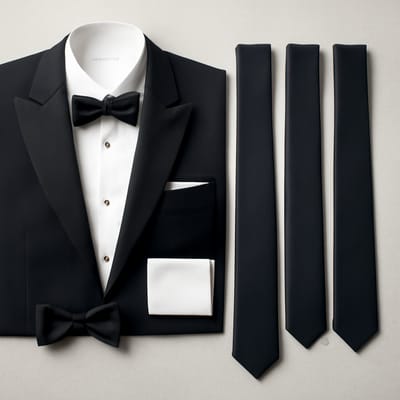
For most men, a 7 cm necktie or a tie close to that width is a reliable starting point for formal dressing. It sits comfortably in the classic range and usually works well with modern dinner jackets, dark suits, and more structured evening looks. That is one reason the 7 cm reference appears so often in formal style guidance.
Still, there is no single perfect measurement for everyone. Your best width depends on three things:
- Lapel width on the jacket
- Body proportions and shoulder width
- Shirt collar spread and overall scale of the outfit
A good rule is to keep the tie width visually close to the widest part of your lapel. It does not need to match exactly, but it should feel related. Slim lapels usually pair best with a narrower classic tie, while broader lapels can support a slightly fuller blade.
For wedding and event planners, this point matters because mismatched tie widths across a group can make photos feel uneven. For gift buyers, it helps to choose a safe middle-ground width instead of something fashion-forward. And for style-focused readers, this is where details like knot size, collar opening, and jacket button stance start to influence the final result more than tie width alone.
How do your build, lapels, and collar shape affect the right tie width?

The right black tie necktie width should support your natural proportions, not fight them. A slimmer man with narrow shoulders often looks best in a moderately slim classic tie, especially if the jacket has neat lapels and the shirt collar is not too wide. A broader build usually benefits from a tie with a bit more presence so the outfit does not look top-heavy at the shoulders and too slight through the centre.
Your lapels are the clearest guide. If the lapels are narrow and sharp, an extra-wide tie can feel bulky. If the lapels are fuller, a very skinny tie often looks under-scaled. Shirt collar shape matters too. A wider spread collar generally works better with a tie that has enough width to fill the space and support a proper knot.
Keep these practical checks in mind:
- Narrow lapels: stay in the slimmer classic range
- Medium lapels: 7 cm is often the easiest match
- Broader lapels: choose a fuller classic width
- Wide spread collars: avoid ties that look too slight under the knot
This is especially helpful when shopping online, where dimensions can be easy to ignore. It also gives fashion enthusiasts a better way to judge vintage-inspired pieces without relying only on trend language.
Which fabrics and finishes make a necktie look formal enough?
Width sets the proportion, but fabric decides much of the mood. For black-tie-adjacent dressing or formal evening events where a necktie is appropriate, silk neckties usually look the most polished. Silk has the clean surface and subtle light reflection that formalwear needs. Matte textured options can also work, but they should still feel refined rather than casual.
The safest choices include:
- Silk satin or silk twill for a clean formal finish
- Grenadine or lightly textured silk when you want depth without obvious shine
- Solid dark shades that keep the look elegant and easy to coordinate
Avoid fabrics that read too rustic, thick, or daytime-oriented. Heavy wool blends, rough weaves, or loud novelty patterns can make even the correct necktie width look less formal. Pattern restraint matters as much as fabric choice. Small, subtle designs may work, but a plain tie is usually the strongest option for eveningwear.
Color is another part of the equation. Black remains the safest pick, though deep midnight, charcoal, or other dark tones can suit some formal occasions. Matching a tie against a partner's outfit or an event palette can be done well, but the result looks sharper when the tie keeps its own formal character instead of trying to mirror another garment exactly. Related guidance on color coordination and fabric comparisons can help once you have chosen the right width.
What mistakes make a black-tie necktie look out of place?
Most necktie mistakes at formal events come from chasing trend over balance. The first common problem is going too slim. A skinny tie may look fashionable on a product page, but in formalwear it often appears too casual and can disappear against a dinner jacket. The opposite issue is choosing a tie so wide that it dominates the front of the outfit.
Other mistakes include:
- Picking a tie width that clashes with the lapel proportion
- Using shiny synthetic fabric that looks inexpensive under evening lighting
- Choosing oversized patterns that distract from the formality
- Tying a knot that is too small or too bulky for the collar
- Ignoring how the tie looks in full-length photos
For event planners, consistency is important. If one person wears a skinny tie and another a broad classic blade, group styling can feel accidental. Gift buyers should also be careful with extreme widths because they date quickly and are harder to wear across occasions.
A better approach is to build around timeless proportions. That is why 7 cm remains such a useful reference in classic formal dressing. It gives you room to look current without looking experimental. If you are comparing options before buying, focus on measurements, fabric composition, and finish rather than marketing language alone.
How should you choose before buying a necktie for a formal event?
Before you buy, think about where the tie will actually be worn. A necktie for a black-tie event, formal wedding, gala, or evening reception should feel adaptable enough to work across several occasions. That makes a classic width, dark color, and quality fabric more valuable than a novelty choice that only suits one look.
Use this short checklist:
- Measure or estimate your jacket's lapel width
- Choose a tie close to that visual proportion
- Prefer a classic width around 7 cm if you want a safe formal option
- Check the fabric, ideally silk or another refined weave
- Keep the color dark and the pattern subtle
- Make sure the knot suits your collar shape
For formalwear shoppers, that process cuts down on guesswork. For fashion enthusiasts, it gives you a framework for making smarter style choices. For wedding planners, it helps keep the party coordinated. For gift buyers, it points you toward a tie that will still feel right a few seasons from now.
If you are narrowing down products, compare dimensions side by side and prioritise proportion over trend claims. A useful next step is saving your preferred measurements and fabric notes before you shop again or sign up for style updates, especially if you want one dependable tie that covers multiple formal settings.
Frequently asked questions about necktie width
Is 7 cm the best necktie width for black-tie events?
For many men, 7 cm is the safest classic choice because it suits modern lapels and looks balanced in formal settings. It is not universal, but it works well for a wide range of builds, collars, and jackets.
Should necktie width match lapel width exactly?
No. The goal is visual harmony, not an exact measurement match. If the tie and lapels are close in scale, the outfit usually looks more polished and intentional.
Can fashion enthusiasts wear a slimmer tie for a sharper evening look?
They can, but it depends on the rest of the outfit. A slightly slimmer classic tie can work with narrow lapels and a trim silhouette, while very skinny ties often look too casual for formal eveningwear.
What necktie width works best for wedding or event planners coordinating a group?
A consistent classic width is usually the best choice for group styling. Keeping ties in the same general range, often around 7 cm, makes photos look more cohesive and avoids one outfit standing out for the wrong reason.
What is the safest necktie width to buy as a gift?
A classic mid-width tie is usually the most versatile gift. It is easier to wear across business, wedding, and evening occasions than a very slim or very wide option.
Does fabric matter as much as width for formal neckties?
Yes. Width creates the proportion, but fabric gives the tie its formal character. Silk is usually the strongest choice because it looks polished and works well under evening lighting.
Can a black necktie work with different formal outfits?
Yes, as long as the width, fabric, and finish are appropriate. A dark silk tie in a classic width is one of the easiest formal accessories to reuse across multiple events.
How do I know if a tie looks too wide or too narrow on me?
Look at the full outfit in a mirror or photo. If the tie seems disconnected from your lapels, collar, or shoulder line, the width is probably off; a balanced tie should look like part of the jacket, not a separate statement.