Bolo Tie Buyer’s Guide: Materials & Sizing 2026
Breadcrumb
Home > Neckties > Types of Necktie > Bolo Tie
What makes a bolo tie “fit” right (and feel comfortable)?
A bolo tie can look sharp and still feel wrong if the cord length, slide weight, and closure grip aren’t balanced. This buyer’s guide focuses on three pain points people run into: the slide slipping down, the cord feeling too long/short, and hardware that pinches or twists.
The quick “good fit” checklist
A bolo tie fits well when:
- The slide stays put where you set it (no slow droop).
- The cord ends hang evenly and don’t bounce excessively as you walk.
- The slide sits flat against your shirt (not tilting forward).
- The back clasp doesn’t snag hair or scrape your collar.
Where should the slide sit?
Think of the slide like a tie knot:
- Formal / tailored: near the top button area, centered and snug (not choking).
- Smart casual: slightly lower for an easy drape.
- Casual / Western: anywhere from mid-chest to upper chest, as long as it’s intentional.
If you also care about pairing with tailoring, the related article “How to Style a Bolo Tie with Suits, Shirts, and Casual Looks” can help you match slide height to collar shapes and jacket lapels (mentioning it here so you can keep the fit and styling decisions aligned).
Bolo tie materials: which cord and slide options last (and look better)?

Most buying regret comes from choosing the wrong cord material or a slide that doesn’t hold up to real wear. Materials affect comfort, durability, and how “dressy” the bolo tie reads.
Cord materials (what to expect)
- Leather: The classic choice. It breaks in, looks richer over time, and grips many clasps well. Downside: it can dry out or curl if stored poorly.
- Braided leather: More texture and a slightly more casual feel. Often hides minor wear better than smooth leather.
- Synthetic cords: Usually more consistent and weather-tolerant, but may look shinier and can feel less premium.
- Fabric or woven cords: Lightweight and comfortable, but can fray and may slip more in some clasps.
Slide materials and finishes
- Metal slides (with engraved or stamped designs) tend to be the most durable for daily use.
- Stone-inlay looks (turquoise-style, onyx-style, etc.) can be striking, but check that the setting feels secure and edges aren’t sharp.
- Polished vs matte: Polished reads dressier; matte hides fingerprints and scratches.
Practical durability checks before you buy
- Inspect whether the slide edges are smooth (no burrs that can chew up the cord).
- Look for a clasp that grips without crushing the cord.
- If weight is listed, choose a lighter slide for thin shirts and a heavier slide for thicker fabrics so it sits flat.
If you want long-term upkeep tips, the spoke “Bolo Tie Care: Cleaning, Storage, and Maintenance” is worth referencing while you shop so you don’t accidentally pick a cord that demands more maintenance than you’ll actually do.
How do you choose the right cord length and end tips?

Sizing a bolo tie is mostly about cord length and how the ends finish. Too long and it looks sloppy; too short and it can’t sit where you want (or it pulls uncomfortably).
A simple way to think about length
Because bolo ties don’t use a standardized “neck size” like shirts, use this practical approach:
- If you want the slide to sit high and neat, you need enough length for the ends to hang cleanly without pulling.
- If you like a lower, relaxed slide position, you’ll need extra cord length so the ends don’t end up comically short.
As a rule of thumb, many adults prefer cords that allow the ends to fall somewhere around the mid-torso area when the slide is worn at upper-chest height. If you’re between two lengths, go slightly longer—cord can be styled; too-short cord can’t be fixed.
End tips: not just decoration
End tips affect weight, swing, and durability:
- Metal tips add weight so the ends hang straighter, but can clack against belt buckles.
- Leather tips feel softer and quieter, but may show wear sooner.
Best for young adults (18–24)
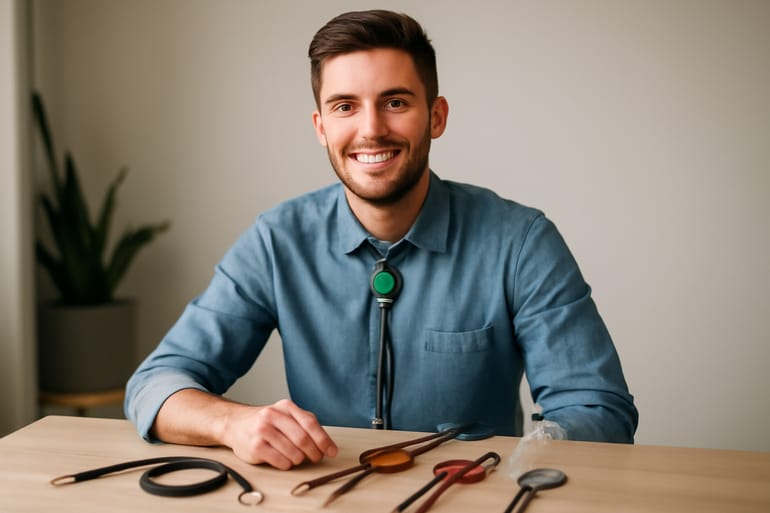
If you’re experimenting with casual neckwear, prioritize a comfortable cord and a slide that holds reliably over “statement” weight. A medium-weight slide and softer end tips make it easier to wear with tees, denim, and casual shirts without feeling costume-y.
Slide and clasp fit: how to stop slipping, twisting, and collar pinching
The biggest functional pain point is a slide that won’t stay where you put it. That’s almost always a clasp issue, not a style issue.
Common clasp types (and what they’re good at)
- Friction clasp: Relies on pressure to grip the cord. Works well when matched to the cord diameter, but can slip on very smooth cords.
- Toothed or textured clasp: Grips more aggressively, but can mark softer cords over time.
- Spring-loaded clasp: Easy to adjust and often consistent, but quality varies a lot.
How to diagnose a slipping slide
- Set the slide where you want it.
- Wear it for 10 minutes while moving normally.
- If it drops, you likely have a mismatch: slick cord + weak friction, or cord too thin for the clasp.
Comfort and collar compatibility
- On spread collars, a wider slide face can sit nicely without looking lost.
- On button-down collars, a smaller/medium slide often looks cleaner and pinches less.
- If you feel scratching at the back of the neck, the clasp edges may be too sharp or the cord is too stiff for your skin.
Best for fashion bloggers and influencers
If you shoot content, choose a slide finish that photographs well (matte reduces glare; polished pops under soft light) and a clasp that holds position between takes. Consistent fit means fewer mid-shoot adjustments and cleaner before/after styling shots.
Buying smart: price tiers, value signals, and “best for” picks
With informational shopping, the goal is simple: avoid paying premium money for low-quality hardware, and don’t buy a cheap clasp that ruins wearability. Here’s how to evaluate value without relying on brand names.
Price tiers (what typically changes)
- Budget: Basic cords and lighter slides. Quality varies most here—clasp strength is the make-or-break feature.
- Mid-range: Better slide finishing, more reliable clasps, cleaner end tips, and more consistent sizing.
- Premium: Higher-quality metals/finishes, more refined inlays/engraving, and better long-term durability.
Value signals to look for
- Clear material descriptions (cord type, slide metal, end tip material).
- A clasp design that matches the cord thickness.
- Smooth edges on the slide and clasp.
- Return policy (important if you’re uncertain about length or grip).
Best for men’s fashion enthusiasts
If you rotate bolo ties with tailored looks, prioritize a slide that sits flat, a cord that drapes cleanly, and an understated finish that doesn’t fight your jacket texture.
Best for gift buyers
When you don’t know the recipient’s preferences, choose a versatile, mid-range option: neutral cord color, medium slide size, and a dependable clasp. Gift success usually comes from wearability more than a loud design.
Where product recommendations fit in
When you’re ready to compare options, build your shortlist by cord material first (leather vs braided vs synthetic), then filter by clasp type and slide weight. That sequence prevents the most common mistake: buying a great-looking slide that won’t stay put once you wear it.
Frequently Asked Questions
How do I know what size bolo tie to buy?
Start with cord length: you want enough length to set the slide where you like while keeping the ends hanging evenly. If you’re unsure, choose a slightly longer cord and adjust the slide position.
What is the best material for a bolo tie cord?
Leather is the classic choice for a reason: it drapes well and often grips clasps reliably. Braided leather adds texture, while synthetic cords can be more weather-tolerant but may look less refined.
Why does my bolo tie slide keep slipping down?
Slipping usually means the clasp isn’t gripping the cord diameter or the cord surface is too slick for a friction clasp. A stronger or better-matched clasp style typically fixes the issue.
Are bolo ties only for Western outfits, or can young adults wear them casually?
Young adults can wear bolo ties casually with tees, denim, and open-collar shirts—just keep the slide medium-weight and the finish simple. The key is comfort and an intentional slide height.
What should fashion bloggers look for when choosing a bolo tie for photos?
Prioritize a slide finish that works under lighting (matte reduces glare, polished adds pop) and a clasp that holds position during movement. Consistency saves time during shoots and keeps styling shots clean.
What’s a safe bolo tie choice if I’m buying a gift?
Go for a neutral cord, medium slide size, and a dependable clasp so it fits a wide range of styles. Also, choose a retailer with an easy exchange policy in case length or finish isn’t ideal.
Can I wear a bolo tie with a suit and still look polished?
Yes—keep the slide centered, choose a refined metal finish, and match the slide size to your collar and lapels. The cleaner the materials and fit, the more “tailored” it will read.