Bolo Tie Tips & Clasps: Features to Know (2026)
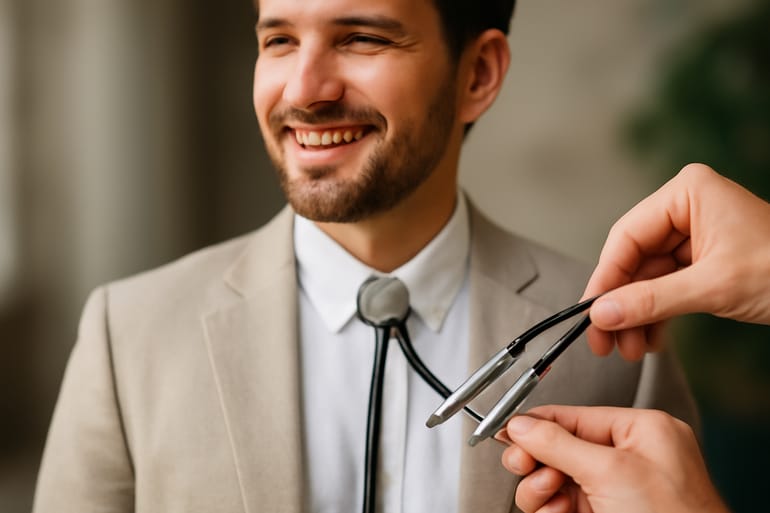
Why do metal tips and clasps matter on a bolo tie?

A bolo tie can look great from a distance, but the metal tips and the clasp (slide) are what decide whether it feels good, stays put, and lasts. If the clasp slips, the tie droops all day. If the tips are sharp or poorly finished, they snag shirts, scratch skin, and fray the cord.
What these parts actually do
- Tips (end caps): Protect the cord ends, add weight for a clean drape, and finish the look.
- Clasp/slide: Grips the cord so you can set the height—high and neat for dressier outfits, lower and relaxed for casual wear.
The most common problems shoppers run into
- The bolo tie clasp won’t hold and slides down as you move.
- Tips are too light (cord floats) or too heavy (pulls the slide down).
- Rough edges or cheap plating cause snags, discoloration, or skin irritation.
If you’re comparing options online, prioritize clear close-up photos of the bolo tie clasp and metal tips. Those details are usually the difference between a “costume” feel and a bolo tie you’ll actually wear often.
Metal tips: which materials and finishes hold up best?

Metal tips on a bolo tie are mostly about durability and comfort, not just shine. The main thing to look for is a smooth finish and a secure attachment to the cord.
Common tip materials (and what they mean for you)
- Stainless steel: Great for sweat resistance and daily wear; tends to keep its look.
- Brass or zinc alloy: Often used for decorative shapes; check that edges are well-polished.
- Sterling silver (or silver-toned): Can look premium; needs occasional polishing.
Finish options to know
- Polished: Dressy, but shows fingerprints and micro-scratches more.
- Brushed/matte: More forgiving and casual; hides wear better.
- Antique/patina: A vintage vibe; great if you want less “bling.”
Quick quality checks (even from a product listing)
- Look for tips with rounded edges (no sharp seams).
- Prefer tips that appear crimped or set cleanly—not glued messily.
- Make sure the tips match your cord thickness; oversized tips can look clunky.
If you want a low-fuss bolo tie, a neutral finish (matte, brushed, antique) is usually easier to keep looking good than a mirror-polished surface.
Bolo tie clasp types: how the slide grips (and why it slips)
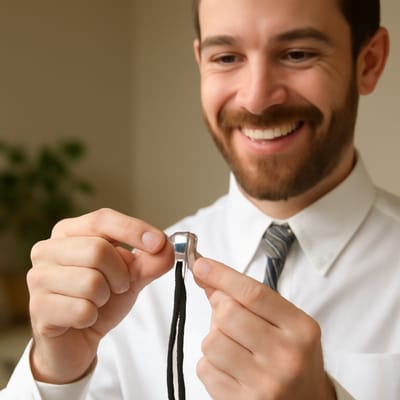
The clasp is the “mechanism” of a bolo tie. If you’re frustrated by a bolo tie that won’t stay tight, you’re almost always dealing with grip strength, spring tension, or cord compatibility.
Two common clasp styles
- Spring-loaded pinch clasp: You press the back to open, then release to grip the cord. This is popular because it’s easy to adjust.
- Friction/locking slide: Relies on tight channels or internal pressure; can feel very secure when well-made.
What to check for a secure hold
- Even pressure: The clasp should grip both sides of the cord evenly. Uneven grip causes creeping.
- Cord channel size: A thick leather cord in a narrow channel gets chewed up; a thin cord in a wide channel slips.
- Cord surface: Smooth cords can slip more than braided or textured cords.
Comfort and wearability details people miss
- A bulky clasp can feel awkward under a jacket collar.
- Sharp corners on the back plate can catch hair or irritate skin.
If you can, choose a bolo tie clasp with a clean, solid back plate and a smooth actuation—no grinding, squeaking, or “crunchy” movement when you pinch and release.
Buying checklist: how to spot better hardware fast

When you’re shopping non-brand bolo ties, you rarely get long spec sheets—so you need fast signals. Use this checklist to avoid the most common disappointments.
60-second bolo tie hardware checklist
- Close-up photos of the clasp and tips (no close-ups = higher risk).
- Tips look smooth and sealed, not jagged or visibly split.
- Clasp looks centered and sturdy, not thin or bent.
- Finish appears consistent (no blotchy plating).
- Cord thickness looks like it actually fits the clasp channel.
Price vs. value (what you’re really paying for)
In many cases, moving from a very cheap bolo tie to a mid-range option doesn’t just improve looks—it improves the clasp grip and the quality of the tip finish. That’s what makes it wearable.
Want a quick downloadable guide?
If you’re building a small rotation (casual + dressy), create a one-page checklist for yourself with: preferred finish, clasp style, cord thickness, and “deal-breakers” (like allergic reactions to plating). It saves time every time you shop.
If you’re ready to compare options, look for listings that clearly describe the clasp type and show the back of the slide—those are the sellers confident in their hardware quality.
Care and quick fixes: keeping tips and clasps working

Even a good bolo tie can start slipping or looking dull if you treat the hardware like an afterthought. A little maintenance prevents most failures.
Keep the clasp gripping
- Wipe the cord and clasp contact points with a dry microfiber cloth to remove oils.
- If the slide starts creeping, check whether the cord has become overly smooth or compressed where it sits.
- Avoid spraying fragrance or hair products directly onto the clasp; buildup reduces grip.
Keep metal tips looking good
- Store the bolo tie flat or hanging so tips don’t bang into other jewelry.
- For tarnish-prone finishes, use a gentle polishing cloth—avoid harsh abrasives that remove plating.
When to replace tips or the clasp
Replace (or upgrade) hardware if:
- Tips loosen and expose fraying cord ends.
- The clasp no longer holds position even after cleaning.
- You see sharp edges or cracks that can snag clothing.
If you like the cord and slide design but hate the slipping, consider choosing a similar bolo tie with a stronger clasp style rather than giving up on bolo ties altogether—most “bad experiences” come down to the hardware.