Budget-Friendly Bolo Ties: Buying Guide 2026
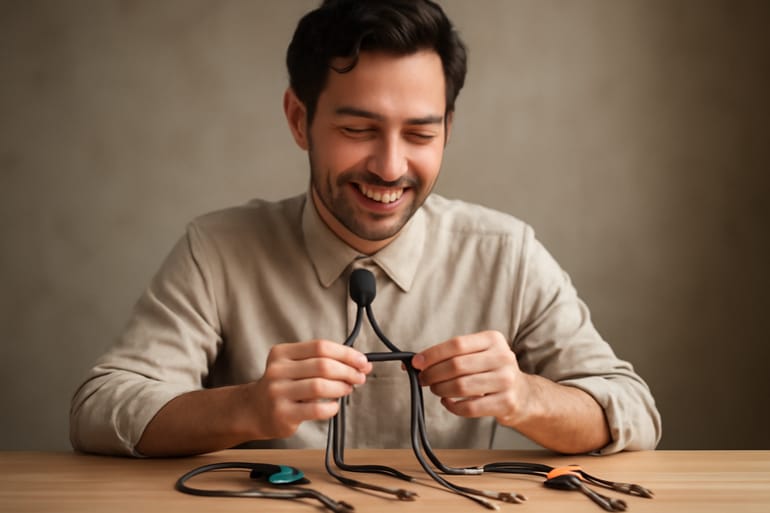
What makes a budget-friendly bolo tie worth buying?

A budget-friendly bolo tie should save you money without looking like a costume accessory. In the first few seconds, most people notice the slide (the decorative centerpiece) and how cleanly the cord hangs—so value is really about materials, hardware, and finish.
The “good value” checklist (fast)
- Slide weight & finish: It should feel solid and have an even shine (or consistent matte texture).
- Cord material: A genuine leather bolo tie cord usually drapes better; synthetic cords can be fine if they don’t kink.
- Clasp grip: The back clasp should hold the cord firmly without slipping.
- Tip construction: Metal tips should be smooth and securely crimped (no sharp edges).
The most common budget pitfalls
- Plated finishes that rub off quickly
- Clasps that slip, forcing constant readjustment
- Cords that twist or crack near the tips
If you want one tie that works for everyday outfits, prioritize clasp quality and a cord that hangs straight—those two details decide whether your bolo tie looks polished or frustrating.
Leather, cord, or chain: which material gives the best value?

Material is where low-priced bolo ties can either surprise you—or disappoint fast. The goal is to get a cord that drapes well and a slide that won’t corrode or flake.
Leather bolo tie cords (best all-around value)
A leather bolo tie cord tends to look more “real” and usually sits flatter against your shirt.
- Look for: consistent color, minimal cracking, and a smooth finish
- Watch out for: overly shiny coatings that feel like plastic
Braided synthetic cords (good for occasional wear)
These can be durable and affordable, especially for trend looks.
- Look for: tight braiding, no fraying at the ends
- Watch out for: kinks that won’t relax after hanging
Chain-style bolo ties (style-forward, fit-sensitive)
Chains can look sharp, but comfort and length matter more.
- Look for: smooth links and a slide that doesn’t snag
- Watch out for: hair pulling and overly light slides that flip around
For most shoppers, leather cords with metal tips offer the best balance of price, comfort, and a classic bolo tie silhouette you can wear casually or slightly dressed up.
How can you spot a cheap clasp and avoid slipping?

A slipping clasp is the #1 reason people stop wearing a budget bolo tie. If the slide won’t stay put, you’ll keep adjusting it all day—and it never looks intentional.
What to look for in bolo tie clasp quality
Most bolo ties use a spring clip, teeth, or a friction mechanism on the back of the slide.
- Firm, even tension: You should feel resistance when you move the cord.
- Cord-friendly grip: It should hold without shredding leather or snagging braid.
- Centered alignment: If the clasp is crooked, the slide can tilt and twist.
Quick at-home test (takes 20 seconds)
- Put the bolo tie on and set the slide where you want it.
- Tug each cord end downward with light force.
- If the slide creeps more than a few millimeters, the clasp is weak.
Fixes if you already bought one
- For leather cords: a tiny piece of clear heat-shrink tubing under the clasp area can add grip.
- For synthetic cords: a small rubber strip (even a trimmed elastic band) can improve friction.
If you’re shopping online, prioritize listings that show the back of the slide. Clear photos of the clasp usually signal better construction and fewer returns.
Do metal tips and finishes matter on affordable bolo ties?

Yes—tips and finishes are where budget bolo ties often cut corners, and it shows quickly. The tips affect comfort (no sharp edges) and durability (no fraying), while the finish decides whether your slide looks stylish after a few wears.
Metal tips: what “good” looks like
- Smooth edges: Run a fingertip around the tip opening—no burrs.
- Secure crimp: Tips should not spin freely or slide off.
- Even plating: Patchy color can hint at thin plating.
Slide finishes: choose the right look for your wardrobe
- Polished silver-tone: versatile for casual or dressier outfits
- Antique/brushed finishes: hide small scratches better (great for daily wear)
- Painted or enamel designs: can look bold, but chips are more visible on budget pieces
Skin and shirt safety
If you wear bolo ties with lightweight shirts, avoid tips with seams that catch fabric. And if you have sensitive skin, look for smoother finishes that won’t irritate your neck.
A practical rule: on affordable bolo ties, pick simpler finishes (brushed or antique) and well-made tips. They age better and keep the whole accessory looking intentional, not disposable.
How should a budget bolo tie fit—and how do you wear it?

Fit is what makes a bolo tie look confident instead of awkward. The nice part: you don’t need an expensive tie to get the fit right.
Where should the slide sit?
- Casual wear (open collar): mid-chest, relaxed and slightly lower
- Smart casual (top button open): upper chest, centered
- More formal (buttoned collar): near the collar, like a neat knot replacement
Cord length and proportion
A common issue with budget bolo ties is overly long cords that distract from the slide.
- If the cords hang past your belt line, consider tying a small, neat loop behind the slide or choosing a shorter length.
- The slide should match your frame: smaller slides for slimmer builds; medium slides are the safest “one-and-done” choice.
Easy outfit pairings
- Denim shirt + neutral leather cord + simple metal slide
- White tee + overshirt + antique-finish slide for texture
- Button-down + blazer (keep the slide clean and minimal)
If you’re building your first small collection, start with a neutral leather bolo tie and a simple finish—then add bolder slides once you know how you like to wear it.
How do you care for affordable bolo ties so they last?

Budget bolo ties can last a long time if you prevent the two biggest problems: cord damage and finish wear.
Leather bolo tie care
- Hang it straight after wearing to reduce bends and curling.
- Wipe the cord with a dry cloth; if it feels stiff, use a tiny amount of leather conditioner (avoid soaking).
- Keep it away from heat sources that can crack the surface.
Metal slide and tip care
- Store separately from keys/coins to avoid scratches.
- Use a soft cloth to remove fingerprints; avoid harsh cleaners that can strip plating.
Storage that prevents kinks
- Best: hang it on a hook or hanger loop
- Alternative: lay it flat in a drawer with the cords gently curved (not folded)
Want a quick reference?
If you like, grab a simple one-page bolo tie buying + care checklist to compare materials, clasp quality, and finishes before you purchase.
With a little care and smart selection, budget-friendly bolo ties can look sharp for years—and you’ll feel better wearing them often instead of “saving them” for a rare occasion.