Bolo Ties Guide: History, Styling & Buying 2026

What is a bolo tie—and why is it still a classic?

A bolo tie is a neckwear style made from a cord (often leather) secured with a decorative clasp—commonly called a slide—and finished with tips at the ends. Think of it as a crossover between a necklace and a necktie: it frames the collar like a tie, but wears with the ease and personality of jewelry.
The key parts of a bolo tie
- Cord: leather, braided leather, woven cord, or sometimes chain/metal.
- Slide (clasp): the focal piece that holds the cord in place (can be engraved, sculpted, or set with a stone-like inlay).
- Tips: metal ends that add weight and keep the cord from fraying.
A quick background (and where to go deeper)
Bolo ties are strongly associated with Western and Southwestern dress, but today you’ll see them styled with everything from denim to tailored suits. If you want the deeper origin story and what the bolo tie “means,” start here: Bolo tie history, origins, and meaning.
When a bolo tie makes sense
If you like neckwear but dislike fuss, a bolo tie is a practical option: it’s quick to put on, easy to adjust, and can be dressed up or down. In the rest of this guide, you’ll learn how to pick a leather bolo tie, choose the right materials and finishes, style it casually and formally, buy confidently, and keep it looking sharp.
Tip: If you’re deciding whether it’s appropriate for your event, you’ll get the clearest answers in the styling and formal sections below.
Leather bolo tie basics: what beginners get wrong

Most first-time buyers assume all bolo ties wear the same. The truth: a leather bolo tie can look rugged and casual or sleek and formal depending on the cord build, the slide size, and the metal finish.
Leather cord types you’ll see most often
- Round leather cord: the most classic look; works well with open collars and denim.
- Braided leather: adds texture; reads more “Western” and casual.
- Flat leather: less common; can look modern but may twist more easily.
Slide comfort and adjustability
A common pain point is a slide that either slips (won’t hold position) or pinches and damages the cord. Look for a clasp mechanism that grips consistently without requiring you to yank it up and down. If you’re unsure what features matter, this deep dive helps: Metal tips and clasp features to know.
The “right” look depends on how you’ll wear it
Before you choose details, decide your main use case:
- Daily wear (casual): prioritize comfort, a smaller-to-medium slide, and durable tips.
- Office or smart casual: choose cleaner finishes and a refined cord.
- Formal events: think polished metal tones, controlled proportions, and a neat collar presentation.
For a practical overview of how people actually use bolo ties (and when), read: Bolo tie uses, styling, and occasions guide.
Buying mindset: Treat the cord like the “tie” and the slide like the “knot”—both affect the overall impression.
Materials and finishes: leather vs cord, tips, and shine

Materials are where confusion (and regret) usually happens. You might love a slide design, but if the cord and finish don’t match your wardrobe, the bolo tie won’t get worn.
Leather vs cord: how they feel and how they drape
A leather bolo tie typically hangs with a slightly heavier, more natural drape. Woven cord can be lighter and sometimes looks more “string-like,” which can skew casual unless the slide is substantial.
If you want the full comparison—durability, texture, and when each material looks best—use this guide: Leather vs cord bolo ties: material guide.
Tips (the ends) matter more than you think
Tips aren’t just decoration. They:
- add weight so the cord hangs cleanly,
- protect against fraying,
- influence the “dressiness” (clean metal tips often look more formal).
For tip shapes, history, and how to spot quality, see: Bolo tie tips: history and style guide.
Finish matching: the quick rule of thumb
To make a bolo tie look intentional, match finish temperature across your outfit:
- Warm metals (gold/brass tones) pair well with warm browns, creams, and earth tones.
- Cool metals (silver/steel tones) pair well with black, charcoal, navy, and crisp white.
If you struggle with color coordination, this saves time: Matching bolo ties with outfits: color and pattern guidance.
Practical takeaway: Material choices decide whether your bolo tie reads as jewelry, neckwear, or costume. Aim for “neckwear first.”
How do you wear a bolo tie casually without looking costume-y?

The biggest casual-wear fear is looking like you’re wearing a theme outfit. The fix is proportion and restraint: let the bolo tie be the accent, not the whole story.
Casual setup that works almost every time
- Wear a collared shirt (denim, chambray, or an oxford-style button-down).
- Leave the top button open.
- Set the slide mid-chest (not tight to the neck).
- Keep the slide size modest if your shirt has busy texture.
Easy casual outfit formulas
- Denim or chambray shirt + neutral leather bolo tie + boots/sneakers
- Knit polo + slim bolo tie + dark jeans
- Western shirt + textured cord + simple slide (avoid stacking loud details)
Common casual mistakes (and quick fixes)
- Slide too high with an open collar → drop it a few inches.
- Cord too long and messy → choose a better length/fit (see sizing resources below).
- Too many statement pieces (big buckle, bold hat, loud slide) → remove one.
For photo-friendly outfit ideas and positioning tips, use: Bolo tie styling for casual and formal outfits.
Want a quick tour of the most common looks you’ll see online and in stores? This helps you “name what you like” before buying: Bolo tie history and common styles guide.
Style shortcut: In casual outfits, the cord texture does more work than the slide. In formal outfits, the slide finish does more work than the cord.
Can you wear a bolo tie to formal occasions and weddings?

Yes—bolo ties can look genuinely formal when you treat them like refined neckwear, not novelty. The key is clean materials, controlled shine, and proper collar presentation.
How to make a bolo tie look formal
- Choose a sleek leather bolo tie (or a cleaner cord) with minimal surface wear.
- Prefer a slide with polished, uniform finish—avoid anything overly chunky if you’re wearing tailored clothing.
- Wear a crisp collared shirt; keep the collar neat and symmetrical.
- Position the slide higher than casual—closer to the collar line—but not choking tight.
When it works best
- Western-themed weddings (obvious fit)
- Cocktail attire where personal style is welcome
- Events where you want a tie-like look without a traditional necktie
When to be cautious
- Very traditional black-tie settings: a classic bow tie may be expected.
- Strict corporate galas: if you’re unsure, aim for a subtle slide and dark, clean cord.
For event-specific do’s and don’ts, start here: Bolo ties for weddings and formal events.
And if you’re still deciding on proportion—how wide the slide should look against your collar and lapels—this guide is useful: Bolo tie origins and style guide (width).
Decision tip: For formal wear, pick the bolo tie the same way you’d pick a watch: quality finish, balanced size, and it should “belong” with your other accessories.
Buying guide: what to look for (plus budget picks that last)
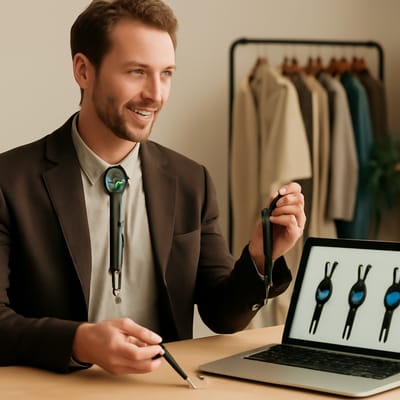
Buying a bolo tie online can be tricky because photos hide the details that determine comfort and longevity. Use this checklist to avoid the most common pain points: slipping slides, stiff cords, and cheap tips.
A practical bolo tie buying checklist
- Slide grip: it should hold position without chewing up the cord.
- Cord quality: look for consistent thickness and a finish that won’t crack quickly.
- Tip attachment: tips should feel secure and aligned (no wobble).
- Proportions: slide size should match your frame and the shirt collar.
- Length and fit: long cords can look messy; too short can feel awkward.
For a step-by-step fit walkthrough, go here: Bolo tie size guide: right fit.
Budget vs mid-range vs premium (what changes?)
- Budget-friendly options can still look great, but quality varies most in the clasp mechanism and tip finishing.
- Mid-range is often the sweet spot for dependable hardware and nicer leather.
- Premium typically improves finishing details, smoother edges, and better slide action.
If you’re shopping on a budget and want to know what’s worth paying for, use: Budget-friendly bolo ties: what to look for.
Product recommendations (affiliate-style guidance)
When you’re ready to shop, narrow your choice by use case:
- Best for everyday casual: smaller slide + durable leather cord + secure tips
- Best for office/smart casual: medium slide + clean metal finish + low-texture cord
- Best for weddings/formal: polished slide + neat collar pairing + controlled shine
Bonus (email download idea): If you want a one-page version of this checklist, create a printable “Bolo Tie Fit & Buying Checklist” and save it before you shop.
Care, maintenance, and trends: keep your bolo tie sharp

A bolo tie is small, but it takes wear in predictable places: the cord where the slide grips, the tips, and any polished surfaces on the slide. A little maintenance keeps a leather bolo tie looking intentional instead of worn-out.
Care and maintenance basics
- Store it flat or hanging so the cord doesn’t kink.
- Don’t force the slide—if it sticks, adjust gently and check the clasp.
- Keep it dry; wipe sweat or moisture off the cord after wear.
- Avoid tossing it in a pocket or bag where tips can dent or scratch.
For a full routine (including what to do if the cord starts to look dry or the hardware dulls), follow: Bolo tie care and maintenance guide.
Style inspiration and trend direction
Bolo ties tend to cycle between “statement” and “minimal.” Right now, the most wearable trend is pairing a refined slide with a simpler outfit—letting the bolo tie be the focal point without adding too many other bold accessories.
For outfit ideas spanning casual through formal, revisit: Bolo tie styling for casual and formal outfits.
Quick reference: where to go next
If you want to explore the topic deeper, these guides cover the most common next questions:
- History and meaning: Bolo tie history, origins, and meaning
- Common styles: Bolo tie history and common styles guide
- Materials: Leather vs cord bolo ties
- Fit: Bolo tie size guide
- Weddings: Bolo ties for weddings and formal events
Bottom line: Buy for fit and finish first, then style. You’ll wear it more—and it’ll look better every time.
Frequently Asked Questions

What is a bolo tie used for?
A bolo tie is used as adjustable neckwear that can replace a necktie or act like a statement accessory. You can wear it casually with an open collar or dress it up by setting the slide closer to the collar.
Are leather bolo ties more formal than cord bolo ties?
They can be, because a smooth leather bolo tie often looks cleaner and more refined than many woven cords. That said, formality depends just as much on the slide finish and how you style it.
How high should a bolo tie slide sit?
For casual outfits, the slide typically sits mid-chest. For formal looks, raise it closer to the collar line, but avoid pulling it so tight that it wrinkles the shirt collar.
What should I look for in a good bolo tie clasp?
Look for a clasp that grips securely without slipping and doesn’t cut into the cord. Smooth adjustment and consistent holding power are usually better indicators than appearance alone.
How do I choose the right bolo tie length?
Choose a length that lets the tips hang neatly without dropping too low below your sternum in most outfits. If you’re between sizes, prioritize a tidy look over extra length.
Can you wear a bolo tie with a suit?
Yes, especially with a simple slide, a clean cord, and a crisp collared shirt. Keep the rest of your accessories understated so the bolo tie looks intentional rather than novelty.
How do I clean and store a bolo tie?
Wipe the cord and hardware after wearing, and store it flat or hanging to prevent kinks. Keep it away from moisture and avoid tossing it into bags where tips and slides can scratch.
Are bolo ties acceptable for weddings?
Often yes, especially for Western-themed weddings or events with flexible formalwear rules. When in doubt, choose a refined slide, clean cord, and coordinate metal tones with your other accessories.
Explore Bolo Ties Hub
- Bolo Ties 101: History
- uses
- and common styles
- Leather vs Cord: Material guide for bolo ties
- How to choose a bolo tie: size
- width
- and tips
- Outfit ideas: bolo tie styling for casual and formal wear
- Care and maintenance for bolo ties
- Bolo ties for weddings and formal events
- Budget-friendly bolo ties: what to look for
- Matching bolo ties with outfits: color and pattern guidance
- Wire/metal tips and clasps: features to know